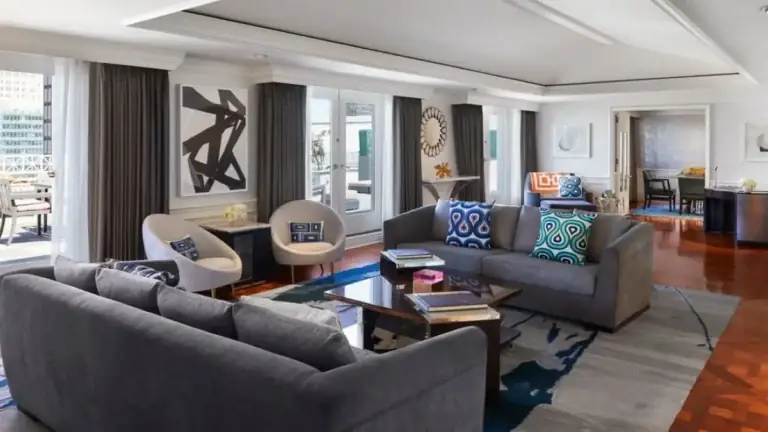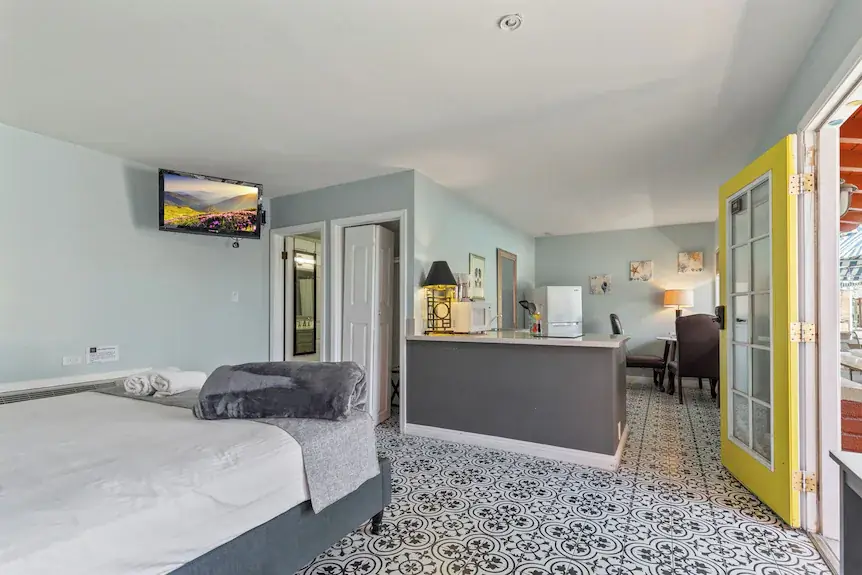
Exotic Suites Only USA: The Definitive Luxury Architectural Guide
Analyzing the architectural landscape, spatial design typologies, and hospitality distribution economics of premier domestic residential compounds reveals an intricate intersection of regional luxury development and high-net-worth tourism curation. When private asset planners, architectural historians, and luxury travel directors evaluate specialized domestic properties operating within the exotic suites only usa market segment, they encounter diverse topographical micro-climates, unique local zoning regulations, and distinct structural typologies that redefine conventional hospitality standards. Unlike traditional metropolitan hotels that standardize interior layouts across hundreds of uniform guest rooms, establishments operating entirely within exclusive non-standard luxury suite categories depend on highly customized spatial configurations where every architectural element carries profound aesthetic and financial weight.
Evaluating comprehensive domestic luxury destination models requires moving past promotional marketing imagery to analyze regional zoning laws, historical preservation mandates, ecological impact assessments, and the nuanced boundaries governing bespoke property management. From isolated cliffside architectural compounds along the Pacific coastline to restored historic southern estates and secluded mountain retreats, identifying and appreciating these exceptional domestic assets requires profound structural discipline. Consequently, approaching these distinctive hospitality environments solely through basic leisure tourism lenses introduces severe cultural and architectural misinterpretations, requiring deep critical analysis from experienced architectural critics and high-end travel procurement directors alike.
This reference manual provides an exhaustive structural, historical, and operational framework for analyzing, interpreting, and mastering the domestic luxury landscape while giving professionals clear insight into the sector without relying on generic promotional clichés. The following sections dissect systemic historic evolution, analytical mental models, risk typology operational structures, and long-term governance protocols to establish a definitive professional standard for understanding the sector.
Understanding exotic suites only usa
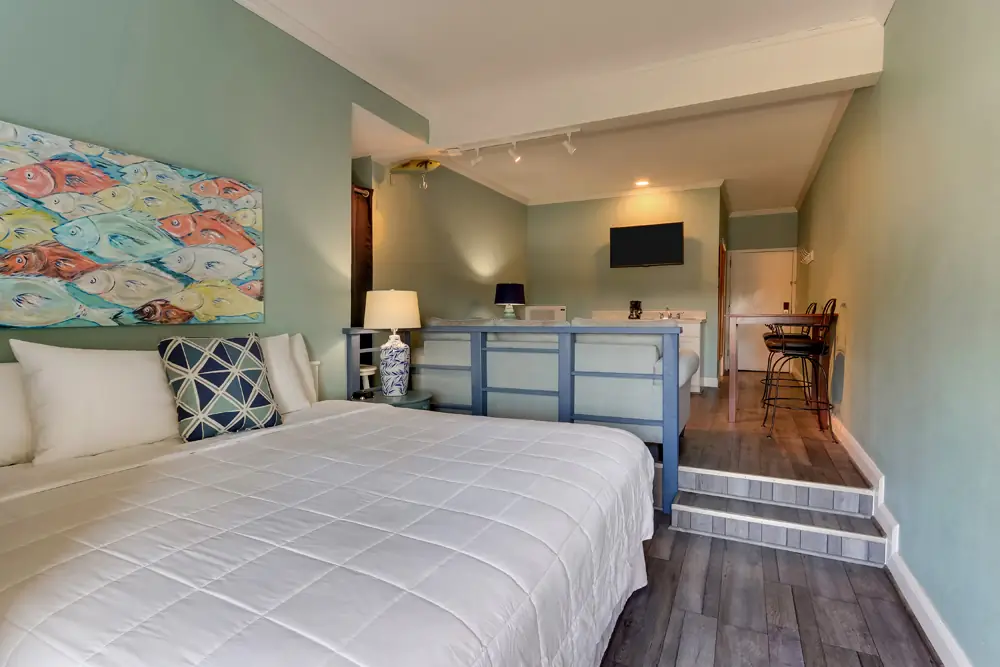
When industry analysts and high-end travel curators investigate exotic suites only usa, the primary objective is decoding how specialized domestic inventory, regional architectural vernacular, zoning restrictions, and unique topographical integration influence both asset valuation and traveler fulfillment. However, a common pitfall involves treating these exceptional domestic properties like standard resort chains that can be categorized through generic star-ratings, completely ignoring micro-location vulnerabilities and bespoke structural engineering requirements.
A widespread misconception views domestic luxury asset evaluation through a purely transactional lens, reducing complex architectural provenance, historical restoration mandates, and localized ecological zoning to simple amenity checklists. Consequently, this oversimplification ignores the profound structural friction between maintaining pristine natural or historical environments and accommodating high-net-worth travel demands across diverse state jurisdictions. In reality, mastering property appraisal requires examining the delicate balancing act between protecting rare structural integrity and delivering bespoke hospitality services across every distinctive domestic compound.
Relying on uncritical generalizations introduces severe analytical vulnerabilities. When observers gloss over regional climate extremes, ignore local zoning enforcement variations, or fail to audit underlying structural maintenance records, small planning oversights compound into major operational crises. True professional appraisal demands rigorous architectural auditing, direct examination of regional property titles, and an honest accounting of how these exceptional domestic properties perform under severe environmental stress across different geographic territories.
Deep Contextual Background
The evolution of domestic high-end hospitality and architectural curation in North America reflects a century-long transformation in regional design movements, leisure travel patterns, and private estate adaptation. Early twentieth-century luxury travel across the country relied on grand railway lodges, historic urban club hotels, and coastal grand estates managed through traditional aristocratic networks, offering standardized luxury within structured geographic corridors.
The late twentieth and early twenty-first centuries marked a profound commercial turning point with the proliferation of bespoke architectural design, boutique ecological compounds, and high-net-worth travelers seeking deep regional immersion rather than homogenized corporate luxury. However, this shift toward unique architectural experiences created a sharp operational challenge: managing delicate historical structures, remote wilderness compounds, and highly customized interiors without sacrificing modern structural resilience or guest comfort. To bridge this gap, visionary property developers and preservationists began engineering specialized structural preservation techniques, off-grid utility systems, and dedicated domestic curation protocols specifically tailored for extraordinary domestic retreats.
As the luxury domestic travel market matured, the demand for architectural authenticity, spatial privacy, and ecological sustainability accelerated the codification of specialized property evaluation standards. Consequently, studying and categorizing these exceptional domestic assets transitioned from an ad-hoc lifestyle interest into a highly rigorous interdisciplinary specialty encompassing architectural history, structural engineering, regional real estate law, and luxury hospitality governance.
Conceptual Frameworks and Mental Models
Analyzing complex domestic hospitality environments requires robust mental models that account for architectural provenance, regional zoning limits, and environmental volatility.
The Architectural Uniqueness vs. Structural Adaptability Gradient
This foundational model evaluates how rare design elements correlate with ongoing maintenance complexities. It prevents analytical misjudgements by mapping the technical trade-offs between preserving historic structural fabrics versus upgrading interior engineering systems across diverse climate zones.
The Ecological Integration vs. Infrastructure Vulnerability Ratio
Properties operating within remote wilderness or coastal environments must balance seamless natural immersion against severe weather exposure. When analysts examine the market, this mental model tracks environmental vulnerability scores against emergency generator and utility redundancy standards.
The Spatial Exclusivity vs. Service Density Axis
Operational workflows must evaluate the financial sustainability of maintaining ultra-low guest density ratios against the high labor costs required to service bespoke, non-standard room layouts.
The Regional Zoning Compliance vs. Historic Preservation Hierarchy
This model stratifies legal and operational risk during property acquisition and management, ensuring balanced evaluation of strict municipal building codes versus historic landmark restrictions.
Key Categories and Variations
Mastering the study of exceptional domestic retreat assets involves navigating distinct regional architectural styles and geographic micro-climates across the country, each carrying specific structural challenges and curation structures. When industry professionals analyze properties within the exotic suites only usa ecosystem, they typically segment the landscape into six core variations.
1. Desert Modernist and Canyon Compounds
Architectural masterpieces integrated into arid southwestern environments utilizing rammed earth, expansive glass, and passive solar design.
-
Trade-Offs: Delivers breathtaking isolation and striking aesthetic minimalism, but involves intense thermal management challenges and extreme HVAC maintenance requirements.
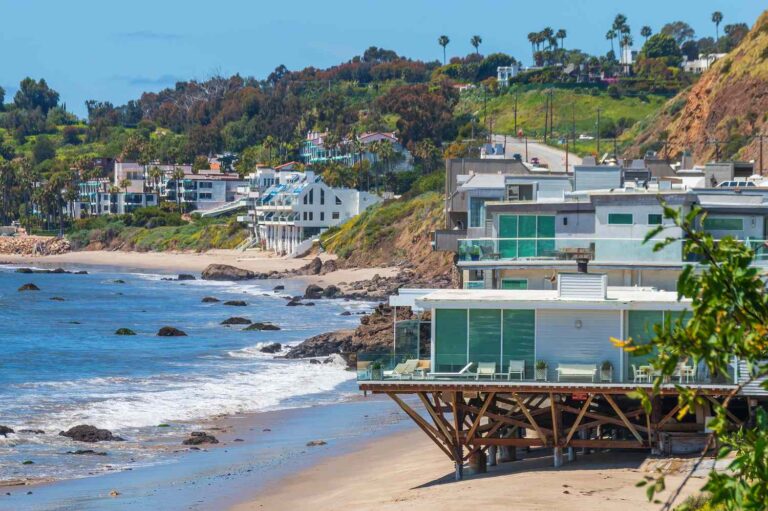
2. Pacific Coastal Cliffside and Rainforest Retreats
Multi-level cantilevered residential suites suspended over rugged shorelines or nestled within temperate Pacific Northwest ancient forests.
-
Trade-Offs: Provides dramatic ocean and forest immersion, but exposes structures to aggressive salt-air corrosion, high humidity, and seismic activity risks.
3. Historic Southern Estate and Plantation Restorations
Carefully preserved antebellum or Victorian architectural compounds adapted into luxury residential suites featuring period millwork and sprawling landscaped grounds.
-
Trade-Offs: Offers deep historical provenance and timeless elegance, but requires rigorous, costly structural preservation and strict historic zoning compliance.
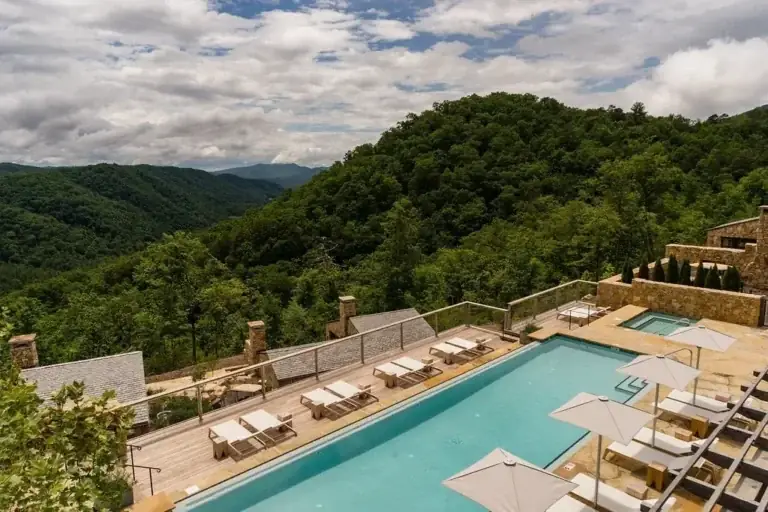
4. Alpine Ski and High-Altitude Mountain Lodges
Timber-and-stone architectural compounds positioned at high elevations, offering direct wilderness access and rugged winter resilience.
-
Trade-Offs: Secures premier winter sports positioning and cozy alpine aesthetics, but involves severe seasonal weather isolation and specialized roof-load engineering.
5. Tropical Island and Everglades Wetland Sanctuaries
Stilt-supported or low-slung ecological suites situated within subtropical or swamp ecosystems, prioritizing wildlife observation and aquatic integration.
-
Trade-Offs: Delivers unmatched ecological immersion and privacy, but demands constant defense against tropical storm surges, humidity, and aggressive flora.
6. New England Coastal Harbor and Lighthouse Compounds
Maritime-heritage properties featuring weathered shingle architecture, private docks, and panoramic ocean outlooks along historic northeastern shores.
-
Trade-Offs: Captures classic maritime charm and nautical convenience, but faces severe nor’easter storm vulnerabilities and restricted seasonal operating windows.
Operational Comparison Table
| Architectural Asset Class | Primary Environmental Exposure | Maintenance Complexity | Zoning Rigidity | Ideal Guest Profile |
| Desert Modernist Compounds | Extreme thermal fluctuations & dust | High (Specialized HVAC & glass care) | Moderate (Arid municipal codes) | Architecture & design enthusiasts |
| Pacific Coastal Cantilevers | Salt-air corrosion & seismic activity | Severe (Corrosion defense & engineering) | High (Coastal commission rules) | Nature & wilderness connoisseurs |
| Historic Southern Estates | High humidity & wood-boring pests | High (Historic preservation mandates) | Strict (Landmark preservation laws) | History & heritage travelers |
| Alpine Mountain Lodges | Heavy snow loads & sub-zero freezes | Moderate-High (Roof & pipe maintenance) | Moderate (Mountain district codes) | Winter sports & alpine explorers |
| Tropical Wetland Sanctuaries | Storm surges, humidity, & insects | Severe (Flood defense & pest control) | Strict (Environmental protection laws) | Ecological & wildlife observers |
Realistic Decision Logic
When high-net-worth travelers, asset buyers, or luxury travel curators seek guidance on evaluating properties across the domestic landscape, decision logic must prioritize the strict auditing of structural maintenance logs, regional zoning restrictions, and climate resilience records above superficial interior styling. If an evaluator analyzes a unique domestic property using criteria designed for standard urban luxury hotels—where centralized municipal infrastructure and rapid maintenance dispatch are taken for granted—the resulting travel or investment plan will fail under the weight of remote geographic isolation. Observers must weigh promotional marketing aesthetics against the immutable structural and environmental realities of exceptional domestic real estate.
Detailed Real-World Scenarios
Practical analytical scenarios illustrate how recognizing architectural constraints, regional weather vulnerabilities, and operational limits prevents catastrophic failure across diverse domestic travel markets.
Case Study A: The Desert Modernist Thermal Management Overhaul
A luxury architectural compound in the southwestern desert successfully resolved chronic climate control failures by redesigning its passive solar shading systems and upgrading its commercial HVAC redundancy.
-
Constraints: Extreme summer ambient temperatures exceeding 115 degrees Fahrenheit; delicate floor-to-ceiling glass architectural framing.
-
Decision Points: Management evaluated whether to apply temporary window films or execute a complete engineering overhaul of the property’s climate management infrastructure.
-
Failure Modes Identified: Standard residential cooling units burned out under continuous peak thermal loads, leading to guest discomfort and massive energy bills.
-
Second-Order Effects: The engineering overhaul required temporary suite closures during shoulder seasons and substantial capital expenditure.
-
Resolution: Installing custom exterior motorized louvers and dual-redundant commercial geothermal cooling systems permanently stabilized interior temperatures while preserving the building’s modernist aesthetic.
Field Incident B: The Coastal Cantilever Salt-Air Corrosion Mitigation
A cliffside Pacific Northwest suite compound successfully prevented structural timber decay and metal fatigue by implementing a rigorous marine-grade maintenance protocol.
-
Constraints: Relentless Pacific storm exposure; aggressive salt spray accelerating fastener corrosion and wood degradation.
-
Decision Points: Planners assessed whether to rely on standard exterior painting schedules or transition to specialized marine-grade stainless steel hardware and breathable timber sealants.
-
Failure Modes Identified: Standard steel structural connectors degraded rapidly within three years of salt-air exposure, threatening cantilever stability.
-
Second-Order Effects: Sourcing custom marine-grade components and specialized scaffolding teams significantly increased annual property maintenance budgets.
-
Resolution: Replacing all exterior fasteners with marine-grade 316 stainless steel and applying advanced fluoropolymer coatings secured structural integrity for decades.
Operational Deployment C: Historic Southern Estate Landmark Compliance
A preserved 19th-century southern estate successfully integrated modern luxury plumbing and electrical systems without violating strict local historic preservation zoning laws.
-
Constraints: Historic preservation board mandates protecting original plaster walls, heart pine flooring, and exterior facades.
-
Decision Points: Evaluators compared surface-mounted utility conduits against subterranean and wall-cavity routing methods that respected historic fabric.
-
Failure Modes Identified: Unauthorized drilling through historic floor joists triggered municipal stop-work orders and heavy preservation fines.
-
Second-Order Effects: Working within strict historical guidelines required retaining specialized restoration artisans and master carpenters.
-
Resolution: Routing new electrical and plumbing lines through non-structural historic chase ways and crawlspaces preserved 100 percent of the original architectural fabric while achieving modern luxury standards.
Operational Deployment D: Alpine Mountain Lodge Winter Isolation Prep
An isolated high-altitude alpine suite compound successfully maintained uninterrupted luxury service during a catastrophic blizzard by establishing an independent off-grid microgrid.
-
Constraints: Heavy mountain snowfall blocking regional access roads for days; frequent regional power grid failures.
-
Decision Points: Management compared relying on municipal utility repairs against investing in robust on-site propane generation and heavy snow-removal machinery.
-
Failure Modes Identified: Relying solely on public utility lines left guests stranded without heat or communication during major winter storms.
-
Second-Order Effects: Operating independent microgrid systems required maintaining certified on-site engineering staff and large fuel reserves.
-
Resolution: Installing automated commercial backup generators and maintaining dedicated track-mounted snow grooming equipment ensured seamless guest comfort during severe alpine weather emergencies.
Planning, Cost, and Resource Dynamics
Administering an effective operational and financial protocol when evaluating and managing unique domestic assets requires understanding the relationship between architectural maintenance, climate engineering, and asset reserve allocations.
Direct and Indirect Financial Realities
When analyzing unique domestic properties, investigators must weigh upfront structural restoration costs, specialized artisan labor, and climate engineering expenses against the immense financial exposure of deferred maintenance, storm damage, and zoning non-compliance penalties. Failing to account for structural upkeep creates fragile properties that leak capital through emergency repairs.
Opportunity Cost and Resource Allocation
Coordinators must balance intensive architectural maintenance against broader hospitality marketing priorities. Over-allocating resources to superficial interior redesigns yields diminishing returns, while ignoring core structural, roof, and utility maintenance leaves substantial real estate assets exposed to environmental degradation.
Financial and Resource Allocation Range Table
| Maintenance Phase | Typical Time Investment | Resource Requirement | Financial Impact | Economic Return |
| Climate Engineering Overhauls | 50 – 100 Hours / Project | HVAC engineers & specialized contractors | Stabilizes interior environments | Critical (protects asset habitability) |
| Marine & Weather Corrosion Defense | 20 – 40 Hours / Quarter | Specialized maintenance crews | Prevents structural decay | High (extends building lifespan) |
| Historic Zoning Compliance Audits | 15 – 30 Hours / Year | Preservation attorneys & architects | Avoids municipal fines & stop-works | Essential (protects legal status) |
| Off-Grid Redundancy Management | 10 – 20 Hours / Month | On-site engineers & fuel logistics | Ensures uninterrupted operations | High (guarantees guest safety) |
Tools, Strategies, and Support Systems
Executing precise architectural audits and operational oversight when managing unique domestic assets requires specialized engineering software, asset repository platforms, and maintenance checklists.
1. Enterprise Asset Management and Maintenance Software
Deploying advanced property software that tracks structural maintenance schedules, HVAC replacement cycles, and weather vulnerability inspections in real-time.
2. Historic and Architectural Document Repository Vaults
Storing original architectural blueprints, engineering reports, municipal zoning approvals, and historic preservation permits in a single secure cloud vault.
3. Specialized Regional Engineering and Artisan Networks
Maintaining direct relationships with certified historic preservationists, marine contractors, desert climate engineers, and alpine structural specialists.
4. Automated Environmental and Weather Monitoring Systems
Using IoT sensor networks to track humidity, temperature extremes, wind loads, and moisture intrusion across vulnerable architectural zones.
5. Emergency Generator and Microgrid Telemetry Portals
Deploying digital monitoring tools that track fuel reserves, battery storage levels, and automatic transfer switch performance during grid failures.
6. Architectural Risk Assessment and Compliance Dashboards
Deploying enterprise analytics platforms that aggregate structural risk scores, insurance compliance metrics, and maintenance logs across domestic property portfolios.
Risk Landscape and Failure Modes
Failing to properly address structural, environmental, and regulatory realities when managing exceptional domestic properties exposes owners and operators to compounding financial and legal vulnerabilities.
Catastrophic Structural Degradation via Weather Neglect
Underestimating the corrosive power of salt-air, extreme thermal expansion, or heavy snow loads on non-standard architectural designs.
Municipal Stop-Work Orders via Zoning Non-Compliance
Failing to secure proper permits from historic preservation boards or coastal commissions prior to executing interior or exterior modifications.
Utility Failures and Guest Isolation via Remote Grid Dependency
Relying on vulnerable public infrastructure in remote wilderness or coastal locations without adequate on-site power and water redundancy.
Governance, Maintenance, and Long-Term Adaptation
Administering long-term quality control over domestic luxury property management requires disciplined review cycles, architectural audits, and systematic maintenance checklists.
-
Quarterly Structural and Climate Audits: Review all HVAC performance metrics, moisture sensor logs, and exterior envelope integrity reports prior to seasonal transitions.
-
Annual Property Compliance Reviews: Evaluate zoning adherence, historic preservation permit statuses, and insurance policy coverage limits continuously across all assets.
-
Layered Property Governance Checklist:
-
Verify all structural modifications comply with local historic preservation or coastal commission mandates.
-
Maintain active service contracts with regional architectural specialists and climate engineers.
-
Inspect automated microgrid and emergency backup systems monthly.
-
Audit weather-stripping, roof drainage, and corrosion defense coatings prior to peak storm seasons.
-
Measurement, Tracking, and Evaluation
Assessing the ongoing structural health and operational success of exceptional domestic properties involves monitoring both qualitative and quantitative indicators.
Leading and Lagging Indicators
Leading indicators include preventive maintenance completion rates, HVAC servicing logs, microgrid test results, and zoning permit compliance verifications. Conversely, lagging indicators reflect operational failures, including emergency repair expenses, structural degradation incidents, municipal fine notices, and guest comfort grievances caused by environmental failures.
Common Misconceptions and Oversimplifications
1. Unique architectural properties require standard hotel maintenance procedures.
Bespoke architectural designs demand specialized artisan labor, custom replacement parts, and climate-specific engineering protocols that standard hotel maintenance completely ignores.
2. Historic preservation laws only apply to major exterior structural changes.
Historic zoning boards regulate interior millwork, window framing, color palettes, and even landscape elements down to the smallest detail.
3. Remote wilderness luxury properties can rely on standard municipal utility grids.
Isolated compounds frequently experience extended power outages, requiring robust on-site microgrid and generator redundancy to ensure guest safety.
4. Coastal properties are adequately protected by standard residential exterior paints.
Aggressive salt-air corrosion demands marine-grade stainless steel hardware, specialized primers, and frequent chemical washing to prevent structural decay.
5. Desert modernist glass architecture maintains stable interior temperatures naturally.
Expansive glass walls trap immense solar heat, requiring sophisticated commercial shading and high-capacity HVAC systems to remain habitable.
6. Domestic luxury asset management requires no specialized regional legal counsel.
Navigating state coastal commissions, historic preservation boards, and environmental protection agencies requires expert local legal representation.
Ethical, Practical, and Contextual Considerations
Mastering the evaluation and management of properties within the exotic suites only usa landscape extends beyond operational logistics into responsible environmental stewardship and cultural preservation. When property owners, asset managers, and travel curators maintain rigorous architectural diligence while establishing transparent communication channels with municipal regulators, they carry a professional obligation to honor local heritage, respect fragile ecosystems, and support sustainable luxury hospitality operations. By integrating rigorous structural engineering, historic preservation compliance, and disciplined asset tracking, stakeholders ensure their properties honor intellectual honesty while delivering dependable, authoritative results.
Conclusion
Mastering the structural, environmental, and administrative principles required to successfully evaluate and manage unique domestic properties within the luxury hospitality sphere is essential for achieving true topical authority and long-term asset stability. Relying on generalized hospitality assumptions, unverified architectural structures, and deferred maintenance schedules guarantees operational distress and financial loss. By investing in climate engineering, historic compliance, microgrid redundancy, and disciplined asset tracking, stakeholders secure a highly dependable operating framework. Ultimately, rigorous intellectual stewardship transforms complex real estate challenges into clear, deeply understood realities.