Best Suites Only for Extended Stays: Definitive Long-Term Asset Guide
Investigating the operational frameworks, long-term leasing economics, and spatial service delivery structures of premier residential hospitality reveals an intricate convergence of high-net-worth real estate management and specialized extended-stay inventory segmentation. When hospitality economists, corporate relocation strategists, and structural real estate analysts examine the apex of all-suite long-term operations, they encounter a specialized administrative model: independent properties or dedicated compounds functioning entirely under all-suite residential structures designed for multi-month tenancy. Unlike traditional transient hotels that rely on short-term nightly churn to maximize average daily rates, these specialized extended-stay properties derive their financial stability from uncompromised multi-room residential keys, private laundry and kitchen facilities, and customized long-term service agreements.
Evaluating these comprehensive master plans requires moving past promotional marketing imagery to analyze complex occupancy cost ratios, dedicated private elevator engineering, corporate security protocols, and the nuanced contractual boundaries governing extended maintenance, high-speed fiber infrastructure, and bespoke residential provisioning. From secluded residential compounds across major financial capitals and diplomatic enclaves to resort-style extended-stay enclaves, managing an all-suite inventory model without diluting asset quality requires profound administrative discipline. Consequently, approaching these distinctive properties solely through promotional advertising lenses introduces severe financial and operational misinterpretations, requiring deep critical analysis from experienced hospitality researchers and asset evaluators alike.
This reference manual provides an exhaustive structural, historical, and operational framework for analyzing, interpreting, and managing properties offering the best suites only for extended stays without relying on marketing clichés. The following sections dissect systemic historic evolution, analytical mental models, service typology operational structures, and long-term governance protocols to establish a definitive professional standard for understanding the sector.
Understanding best suites only for extended stays
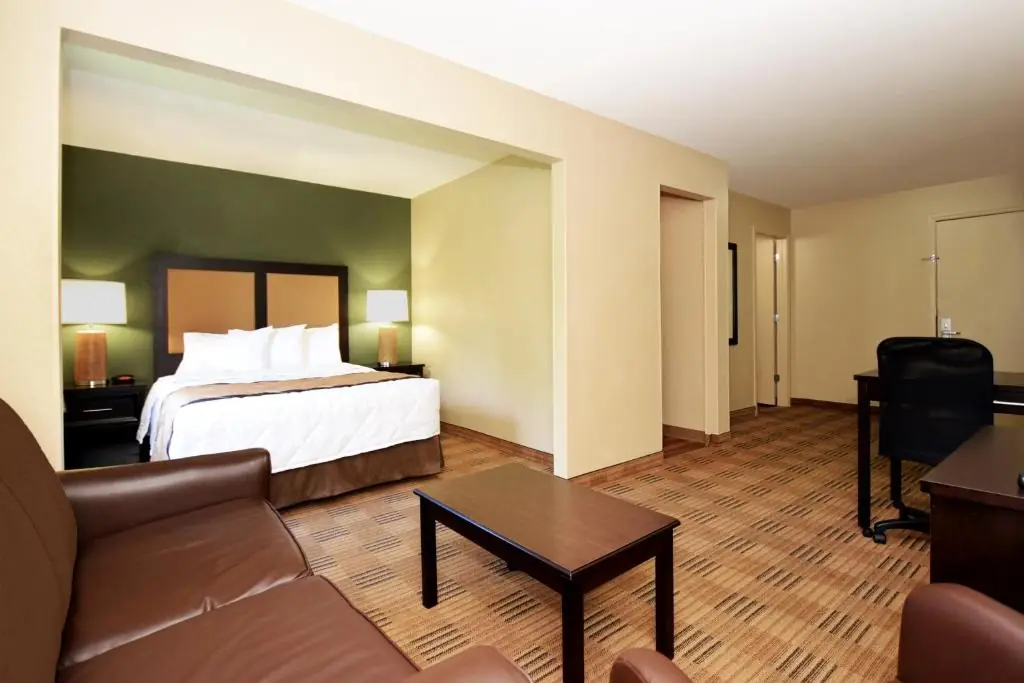
When industry analysts and corporate housing economists investigate the best suites only for extended stays, the primary objective is decoding how unique architectural spatial planning, multi-month pricing mechanisms, dedicated housekeeping schedules, and segregated arrival pathways influence both long-term asset profitability and tenant retention consistency. However, a common pitfall involves treating high-end all-suite extended-stay properties like standard corporate apartments that simply offer basic weekly cleaning while completely ignoring the absence of transient buffer inventory and the complexity of maintaining high fixed operating costs during prolonged lease vacancies.
A widespread misconception views comprehensive extended-stay suite models through a purely consumer-facing lens, reducing complex long-term lease negotiations, private utility sub-metering, and expansive square-footage maintenance to a simple monthly rent charge. Consequently, this oversimplification ignores the profound structural friction between offering uncapped bespoke residential personalization and maintaining financial viability when corporate relocation budgets shift or global economic volatility compresses long-term assignment spending. In reality, mastering the structural analysis requires examining the delicate financial balancing act between structured long-term lease tariffs and the real-time cost of delivering uncompromised individualized service across every occupied residential key.
Relying on uncritical generalizations introduces severe analytical vulnerabilities. When observers gloss over hidden contractual exclusions, ignore tenant wear-and-tear thresholds, or fail to audit underlying service level agreements, small administrative oversights compound into major legal and financial liabilities. True professional appraisal demands rigorous structural auditing, direct examination of hospitality accounting ledgers, and an honest accounting of how comprehensive all-suite financial models perform under severe operational stress across different geographic markets.
Deep Contextual Background
The evolution of extended-stay luxury hospitality reflects a century-long transformation in corporate relocation habits, executive housing economies, and financial risk distribution. Early twentieth-century long-term affluent travel relied on residential apartment hotels in major capitals that featured massive multi-room suites alongside permanent resident leases, maintaining rigid hierarchical domestic service divisions and communal dining rooms.
The late twentieth and early twenty-first centuries marked a profound commercial turning point with the rise of all-suite urban extended-stay towers and corporate sanctuary enclaves that successfully eliminated standard hotel rooms entirely, catering exclusively to multinational executives, diplomats, and project teams seeking long-term residential privacy. However, this architectural shift created a sharp operational challenge: managing high fixed per-key maintenance costs without the revenue buffer of short-term transient churn. To bridge the administrative friction and lease volatility, forward-thinking property operators began engineering sophisticated bundled financial structures specifically tailored for elite extended-stay suite estates.
As luxury residential hospitality matured, the demand for transparency, operational safety, and predictable financial accounting accelerated the codification of specialized contract protocols for suite-only long-term operations. Consequently, studying and categorizing these comprehensive offerings transitioned from an ad-hoc real estate task into a highly rigorous interdisciplinary specialty encompassing revenue management, residential operations, contract law, and risk mitigation strategy.
Conceptual Frameworks and Mental Models
Analyzing complex all-suite extended-stay properties requires robust mental models that account for financial exposure, service capacity, and operational friction.
The Residential Footprint vs. Lease Yield Gradient
This foundational model evaluates how large square-footage suite configurations correlate with long-term lease stability and yield optimization. It prevents analytical misjudgements by mapping the financial trade-offs between maintaining vast residential footprints and maximizing revenue per square foot across different multi-month tenancy tiers.
The Fixed Maintenance Overhead vs. Tenancy Wear Ratio
Properties operating within the best suites only for extended stays must balance heavy fixed costs (such as periodic deep cleaning, appliance depreciation, and expansive climate-controlled square footage) against predictable monthly lease revenues. This model tracks margin thresholds against long-term wear and tear to establish financial viability.
The Service Frequency vs. Tenant Autonomy Axis
Operational workflows must evaluate the financial sustainability of balancing weekly housekeeping and concierge support against tenant preferences for uninhibited private living. This framework exposes operational vulnerabilities before long-term lease commitments are finalized.
The Direct Asset Control vs. Outsourced Facility Vendor Hierarchy
This model stratifies operational risk during multi-month occupancy, ensuring balanced evaluation of in-house maintenance staff versus specialized third-party engineering contractors.
Key Categories and Variations
Mastering the study of long-term suite asset classes involves navigating distinct regional architectural and operational typologies, each carrying specific financial models and administrative frameworks. When industry professionals evaluate the best suites only for extended stays across global markets, they typically segment the landscape into six core variations.
1. Urban Corporate Sanctuary Towers
High-rise metropolitan residential properties featuring sprawling multi-room suites equipped with full gourmet kitchens, private laundry facilities, and dedicated business concierge pods for multi-month assignee stays.
-
Trade-Offs: Delivers unmatched urban proximity and secure executive living, but involves severe vertical asset maintenance and high capital expenditure.
2. Suburban Executive Compound Suites
Low-rise horizontal residential compounds where every individual structural key is a multi-bedroom suite featuring private garage parking, outdoor patio space, and dedicated landscaping services.
-
Trade-Offs: Provides expansive square footage and suburban tranquility, but demands extensive exterior maintenance and larger land footprints.
3. Diplomatic Relocation Enclave Villas
Secluded residential compounds structured around standalone multi-room suite pavilions complete with perimeter security walls, backup power generators, and private administrative offices.
-
Trade-Offs: Captures ultimate diplomatic security and privacy, but incurs severe logistical supply chain and security staffing overhead.
4. Historic Heritage Extended-Stay Restorations
Carefully converted historic manor properties operating exclusively as long-term grand suite residences preserving historic architectural details while integrating modern fiber networks.
-
Trade-Offs: Offers unmatched historic pedigree and cultural prestige, but involves strict preservation board oversight and complex structural modernization limits.
5. Alpine Extended-Stay Chalet Suites
Mountain residential compounds offering ultra-luxury multi-bedroom suites equipped with private gear storage, ski-in convenience, and seasonal concierge support.
-
Trade-Offs: Combines premier winter sports access with supreme residential comfort, but mandates aggressive seasonal staffing and heating maintenance.
6. Desert Master-Planned Executive Sanctuaries
Arid architectural compounds featuring sprawling indoor-outdoor suite residences providing private plunge pools, advanced HVAC filtration, and secure private transport.
-
Trade-Offs: Secures absolute tranquility and striking minimalist design, but demands intensive climate control maintenance and water conservation protocols.
Operational Comparison Table
| Suite-Only Extended-Stay Typology | Primary Cost Driver | Financial Risk Exposure | Maintenance Overhead | Ideal Asset Profile |
| Urban Corporate Towers | Vertical transport & security | High (Lease default & vacancy risk) | High (Elevator & HVAC systems) | Corporate executives & consultants |
| Suburban Executive Compounds | Exterior & landscape upkeep | Moderate (Tenant turnover wear) | High (Roofing, siding, & grounds) | Relocating family units |
| Diplomatic Relocation Villas | Security & generator upkeep | High (Geopolitical shifts & vetting) | High (Perimeter & power systems) | Government and embassy personnel |
| Historic Heritage Restorations | Historic masonry upkeep | Moderate (Preservation restrictions) | High (Structural restoration) | Long-term cultural assignees |
| Alpine Chalet Suites | Seasonal heating & clearing | Moderate (Weather-dependent demand) | High (Winter snow-load & plumbing) | Extended seasonal contractors |
Realistic Decision Logic
When asset managers, corporate housing directors, or relocating executives evaluate the best suites only for extended stays, decision logic must prioritize the strict auditing of spatial efficiency, multi-month lease terms, and maintenance cost predictability above promotional advertising promises. If an evaluator analyzes an extended-stay package using criteria designed for short-term resort hotels, the resulting financial model will collapse under the weight of long-term depreciation and specialized service overhead. Observers must weigh promotional convenience against the immutable economic realities of multi-month residential management.
Detailed Real-World Scenarios
Practical analytical scenarios illustrate how recognizing financial constraints, service capacity limits, and operational vulnerabilities prevents administrative failure across diverse domestic and international corporate markets.
Case Study A: The Urban Corporate Tower Lease Default Mitigation
An investment syndicate managing an urban all-suite extended-stay tower resolved a recurring cash flow vulnerability caused by sudden corporate client bankruptcy filings mid-lease.
-
Constraints: Long-term corporate master leases; strict tenant privacy laws governing residential access.
-
Decision Points: Management evaluated whether to enforce strict lease penalty clauses immediately or negotiate flexible short-term transition terms with occupying assignees.
-
Failure Modes Identified: Immediate legal eviction proceedings created negative publicity and left multi-room suites vacant during down cycles.
-
Second-Order Effects: Offering flexible transition terms required temporary cash flow adjustments but preserved building occupancy and reputation.
-
Resolution: Restructuring master lease agreements to include corporate parent-guarantor provisions successfully eliminated future default exposure.
Field Incident B: Suburban Executive Compound Plumbing Infrastructure Retrofit
A luxury suburban extended-stay compound faced severe tenant complaints and water damage claims when aging multi-unit plumbing risers failed simultaneously across several three-bedroom residential suites.
-
Constraints: Multi-month resident occupancy; aging galvanized piping networks hidden within finished structural walls.
-
Decision Points: Coordinators assessed whether to perform piecemeal patch repairs or execute a comprehensive repiping project during tenant turnover windows.
-
Failure Modes Identified: Piecemeal patch repairs resulted in recurrent leaks and repeated disruption of long-term residents.
-
Second-Order Effects: Comprehensive repiping required temporarily relocating residents to alternate suites within the compound, increasing operational coordination costs.
-
Resolution: Upgrading the entire compound to modern cross-linked polyethylene piping during scheduled lease transition gaps permanently resolved the infrastructure failure.
Operational Deployment C: Diplomatic Enclave Utility Sub-Metering
An isolated diplomatic extended-stay compound successfully resolved soaring utility overhead by implementing digital sub-metering and transparent energy-use billing clauses for multi-month tenants.
-
Constraints: Extreme desert climate driving massive HVAC electricity consumption; flat-rate lease structures masking excessive usage.
-
Decision Points: Planners compared absorbing rising utility costs through increased base lease tariffs versus introducing usage-based sub-metering addendums.
-
Failure Modes Identified: Absorbing unmonitored utility spikes severely eroded net operating income during peak summer cooling months.
-
Second-Order Effects: Introducing sub-metering required updating lease contract templates and providing tenants with transparent energy conservation guidelines.
-
Resolution: Deploying smart digital sub-meters aligned long-term lease economics with actual resource consumption.
Operational Deployment D: Alpine Chalet Suite HVAC Climate Stabilization
An extended-stay mountain chalet compound resolved persistent indoor humidity and mold issues during extended winter occupancy by upgrading its mechanical ventilation systems.
-
Constraints: Sub-zero exterior temperatures combined with high indoor occupancy and moisture generation; delicate timber interior finishes.
-
Decision Points: Investigators evaluated whether to rely on portable dehumidifiers or install integrated heat-recovery ventilation systems.
-
Failure Modes Identified: Portable dehumidifiers proved noisy, required constant manual emptying by staff, and failed to protect timber structural framing.
-
Second-Order Effects: Installing integrated ventilation ducts required temporary ceiling access in main living areas during shoulder transition seasons.
-
Resolution: Integrating continuous mechanical air-exchange units successfully protected timber finishes while ensuring pristine indoor air quality for long-term residents.
Planning, Cost, and Resource Dynamics
Administering an effective operational and financial protocol when managing the best suites only for extended stays requires understanding the relationship between multi-month wear-and-tear depreciation, scheduled maintenance, and risk underwriting.
Direct and Indirect Financial Realities
When analyzing extended-stay property management, investigators must weigh upfront furnishing and appliance replacement costs against the financial exposure of extended lease vacancies and tenant default. Failing to account for residential depreciation creates financially fragile properties that bleed capital during corporate market downturns.
Opportunity Cost and Resource Allocation
Coordinators must balance intensive tenant service customization against broader property asset goals. Over-allocating staff time to minor residential requests yields diminishing returns, while ignoring core operational efficiencies—such as preventive appliance maintenance and bulk supply procurement—exposes properties to severe financial risk.
Financial and Resource Allocation Range Table
| Management Phase | Typical Time Investment | Resource Requirement | Financial Impact | Economic Return |
| Lease & Inclusion Boundary Audit | 15 – 25 Hours / Lease | Property managers & legal counsel | Prevents lease dispute liabilities | High (secures stable cash flow) |
| Residential Wear & Tear Inspection | 10 – 20 Hours / Quarter | Maintenance inspectors | Protects interior asset value | Critical for deposit reconciliation |
| Housekeeping & Utility Schedule Audit | 8 – 15 Hours / Month | Operations directors | Balances labor & operational cost | High tenant retention return |
| Vendor & Appliance Maintenance Review | 10 – 15 Hours / Year | Procurement teams | Mitigates unexpected repair bills | Essential for asset preservation |
Tools, Strategies, and Support Systems
Executing precise asset management and operational oversight when operating extended-stay suite properties requires specialized digital tools, secure contract ledgers, and technical checklists.
1. Advanced Property Management and Lease Tracking Software
Deploying digital databases that track multi-month lease expiration dates, rent escalation clauses, and tenant maintenance history accurately.
2. Specialized Residential Asset and Appliance Trackers
Using automated facility management software to monitor HVAC filter replacements, kitchen appliance lifecycles, and plumbing health in real-time.
3. Secure Tenant Portal and Maintenance Ticketing Platforms
Integrating encrypted communication channels for long-term residents to submit maintenance requests and schedule housekeeping visits without administrative friction.
4. Independent Legal and Corporate Housing Advisory Networks
Retaining specialized regional real estate legal counsel familiar with residential tenancy laws, corporate lease structuring, and tax compliance.
5. Secure Lease and Compliance Repositories
Storing all tenant master agreements, insurance certificates, utility sub-metering logs, and staff rosters in a single encrypted digital platform.
6. Automated Preventive Maintenance Scheduling Tools
Deploying workforce management software that schedules recurring deep cleaning, pest control inspections, and filter changes across all extended-stay suites automatically.
Risk Landscape and Failure Modes
Failing to properly address financial, operational, and structural realities when managing the best suites only for extended stays exposes owners and managers to compounding legal, financial, and physical risks.
Severe Cash Flow Strain via Lease Vacancy Gaps
Underestimating the financial exposure of extended marketing periods between multi-month corporate lease turnovers during economic downturns.
Complex Residential Tenant Law Liabilities
Mismanaging security deposit returns, notice periods, or habitability standards under local residential tenancy legislation, leading to costly legal disputes.
Accelerated Interior Wear and Tear
Experiencing rapid depreciation of custom furnishings, flooring, and built-in appliances across multi-month occupancies without adequate replacement reserves.
Governance, Maintenance, and Long-Term Adaptation
Administering long-term quality control over extended-stay all-suite properties requires disciplined review cycles, regulatory auditing, and systematic maintenance checklists.
-
Mid-Lease Compliance and Asset Audits: Reconcile all tenant maintenance logs, insurance verifications, utility sub-meter readings, and lease compliance terms every six months.
-
Annual Residential Capital Reserve Reviews: Evaluate appliance replacement costs, furniture depreciation schedules, and cyclical renovation budgets continuously across all operational portfolios.
-
Layered Property Governance Checklist:
-
Verify all corporate master lease agreements, guarantor provisions, and occupancy limits in writing.
-
Inspect physical suite assets, kitchen appliances, and interior finishes during scheduled quarterly walkthroughs.
-
Maintain robust inventory tracking systems for building furnishings and high-value amenities.
-
Ensure comprehensive insurance coverage addressing residential property damage, tenant liability, and loss of lease revenue.
-
Measurement, Tracking, and Evaluation
Assessing the ongoing operational efficiency and financial health of extended-stay all-suite properties involves monitoring both qualitative and quantitative indicators.
Leading and Lagging Indicators
Leading indicators include lease renewal inquiry rates, preventive maintenance completion percentages, tenant satisfaction scores, and forward-looking occupancy forecasts. Conversely, lagging indicators reflect administrative failures, including unexpected appliance replacement costs, lease default rates, security deposit disputes, and net operating income contractions.
Common Misconceptions and Oversimplifications
1. Extended-stay suite properties operate under the exact same financial rules as short-term resort hotels.
Extended-stay operations rely on multi-month lease agreements and predictable cash flow rather than volatile daily transient room rates and short-term churn.
2. Multi-month tenants require zero housekeeping or maintenance oversight during their stay.
Long-term residents require structured weekly cleaning, recurring filter replacements, and proactive appliance maintenance to protect asset value.
3. High monthly lease rates guarantee zero financial exposure during economic downturns.
Corporate relocation budget contractions and sudden tenant defaults can rapidly create prolonged vacancy gaps that strain operating cash flow.
4. Standard hotel property management software is sufficient for tracking long-term leases.
Managing extended stays requires specialized lease administration tools that handle security deposits, pro-rated utilities, and multi-month lease extensions.
5. Residential wear and tear in all-suite properties is identical to standard apartment rentals.
Luxury extended-stay suites feature high-end custom finishes and integrated electronics that require specialized technical maintenance rather than standard apartment repairs.
6. Corporate housing contracts eliminate all legal friction regarding tenant rights and eviction laws.
Depending on jurisdiction, long-term extended-stay occupants may acquire formal residential tenancy rights that complicate rapid asset turnover.
Ethical, Practical, and Contextual Considerations
Mastering the implementation of extended-stay property management extends beyond financial lease modeling into responsible community relations and tenant welfare. When owners and managers operate luxury properties identified among the best suites only for extended stays, they carry a professional obligation to comply with local residential housing regulations, respect tenant privacy rights, and maintain transparent contractual communications. By integrating rigorous cost accounting, fair tenancy standards, and clear maintenance protocols, stakeholders ensure their operations honor long-term intellectual honesty while delivering dependable, authoritative results.
Conclusion
Mastering the structural, regional, and administrative principles required to successfully evaluate and manage properties when selecting the best suites only for extended stays is essential for achieving true topical authority and long-term financial stability. Relying on generalized hospitality assumptions, unverified marketing claims, and opaque financial models guarantees operational distress and capital loss. By investing in rigorous lease margin auditing, asset maintenance forecasting, clear tenancy boundaries, and disciplined data tracking, stakeholders secure a highly dependable operating framework. Ultimately, rigorous intellectual stewardship transforms complex extended-stay hospitality challenges into clear, deeply understood realities.