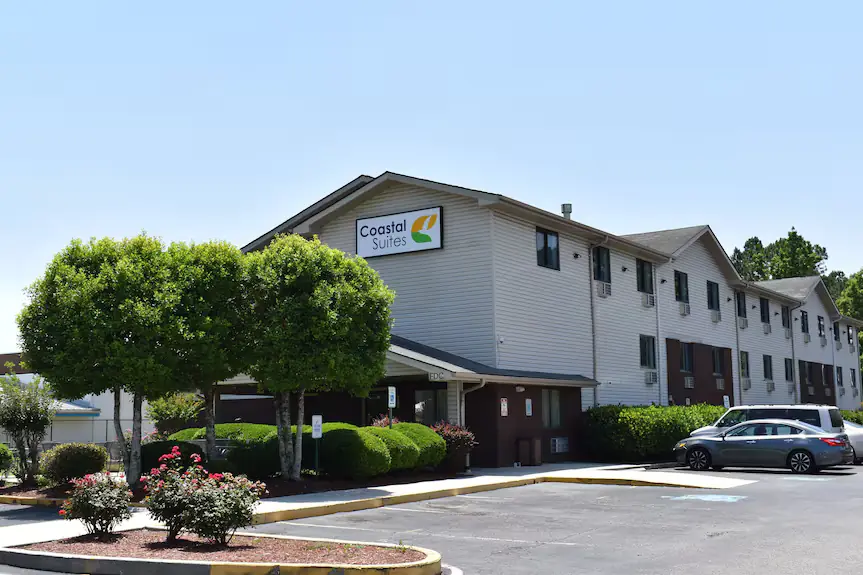
American Coastal Suites Only: The Definitive Maritime Luxury Guide
Analyzing the structural marine engineering, salt-air corrosion dynamics, and high-end asset management of premier seaside accommodations reveals an intricate intersection of coastal architecture, environmental conservation mandates, and elite maritime hospitality curation. When waterfront real estate developers, coastal structural engineers, and luxury hospitality directors evaluate specialized properties operating within the american coastal suites only market segment, they encounter complex marine zoning restrictions, aggressive tidal environments, and distinct architectural typologies that redefine conventional coastal lodging standards. Unlike standard inland suburban hotels that rely on traditional timber framing and standard HVAC configurations, establishments operating entirely within harsh maritime waterfront environments depend on marine-grade reinforced concrete, corrosion-resistant framing assemblies, and hyper-curated interior volumetric design where every structural element carries profound meteorological and financial weight.
Evaluating comprehensive coastal suite models requires moving past promotional marketing imagery to analyze deep pile foundations socketed into unstable beach sand, hurricane-rated window impact testing protocols, high-velocity storm surge deflection, and the nuanced legal boundaries governing tidal property administration. From sleek glass towers piercing southern barrier island skylines to meticulously restored historic New England whaling port estates, identifying and appreciating these exceptional maritime assets requires profound structural discipline. Consequently, approaching these distinctive residential-grade hospitality environments solely through basic tourism lenses introduces severe structural and architectural misinterpretations, requiring deep critical analysis from experienced architectural critics and high-end real estate acquisition directors alike.
This reference manual provides an exhaustive structural, historical, and operational framework for analyzing, interpreting, and mastering the domestic coastal suite landscape while giving professionals clear insight into the sector without relying on generic promotional clichés. The following sections dissect systemic historic evolution, analytical mental models, risk typology operational structures, and long-term governance protocols to establish a definitive professional standard for understanding the sector.
Understanding american coastal suites only
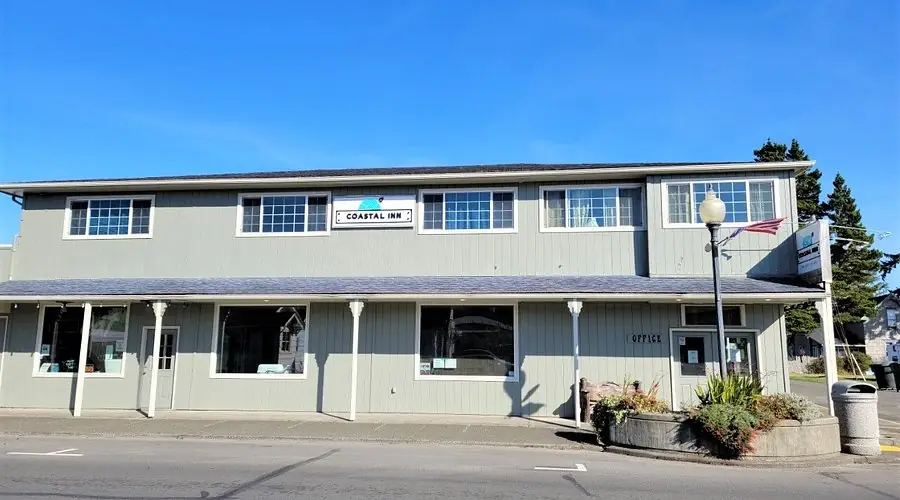
When industry analysts and high-end hospitality curators investigate american coastal suites only, the primary objective is decoding how specialized maritime inventory, structural marine engineering, coastal commission zoning restrictions, and unique interior volumetric design influence both asset valuation and guest fulfillment. However, a common pitfall involves treating these exceptional coastal properties like standard inland hotel rooms that can be categorized through generic square-footage metrics, completely ignoring aggressive salt-spray degradation and complex storm-surge engineering requirements.
A widespread misconception views coastal suite evaluation through a purely aesthetic lens, reducing complex pile foundation design, high-velocity hurricane glass engineering, and localized environmental conservation codes to simple amenity checklists. Consequently, this oversimplification ignores the profound structural friction between maintaining deep acoustic and spatial tranquility within high-wind marine environments and accommodating high-net-worth traveler demands across diverse state jurisdictions. In reality, mastering property appraisal requires examining the delicate balancing act between protecting rare structural integrity and delivering bespoke hospitality services across every distinctive coastal compound.
Relying on uncritical generalizations introduces severe analytical vulnerabilities. When observers gloss over salt-air corrosion rates, ignore municipal coastal commission enforcement variations, or fail to audit underlying bulkhead maintenance records, small planning oversights compound into major operational crises. True professional appraisal demands rigorous structural auditing, direct examination of regional maritime titles, and an honest accounting of how these exceptional coastal properties perform under severe environmental and oceanic stress across different maritime territories.
Deep Contextual Background
The evolution of domestic coastal suite architecture and interior curation in North America reflects a century-long transformation in marine structural engineering, hurricane-resistant building materials, and tidal zone management. Early twentieth-century seaside development across the country relied on wood-frame Victorian boarding houses and simple masonry hotels managed through regional networks, offering seasonal leisure rather than dedicated residential-grade year-round hospitality suites.
The late twentieth and early twenty-first centuries marked a profound commercial turning point with the proliferation of luxury barrier island resorts, master-planned coastal communities, and high-net-worth travelers seeking deep ocean immersion paired with residential square footage. However, this shift toward all-suite coastal luxury created a sharp operational challenge: managing high-velocity storm surges, aggressive marine salt corrosion, and highly customized interiors without sacrificing structural resilience or guest comfort. To bridge this gap, visionary structural engineers and developers began engineering specialized fluoropolymer coatings, impact-resistant laminated glass, and dedicated vertical logistics protocols specifically tailored for extraordinary oceanfront penthouses and multi-room suites.
As the luxury coastal suite market matured, the demand for architectural precision, spatial privacy, and environmental resilience accelerated the codification of specialized property evaluation standards. Consequently, studying and categorizing these exceptional maritime hospitality assets transitioned from an ad-hoc lifestyle interest into a highly rigorous interdisciplinary specialty encompassing marine engineering, coastal hydrology, municipal real estate law, and oceanfront property governance.
Conceptual Frameworks and Mental Models
Analyzing complex coastal suite environments requires robust mental models that account for structural load paths, marine corrosion rates, and tidal microclimate pressures.
The Marine Corrosion vs. Protective Coating Gradient
This foundational model evaluates how building envelope material selection correlates with ongoing salt-air degradation resistance. It prevents analytical misjudgements by mapping the technical trade-offs between utilizing architectural aluminum versus marine-grade stainless steel across high-salinity coastal corridors.
The Storm Surge Elevation vs. Structural Pile Load Ratio
Properties operating within vulnerable coastal zones must balance strict Federal Emergency Management Agency elevation mandates against massive deep-foundation engineering requirements. When analysts examine the market, this mental model tracks base flood elevation scores against driven timber and concrete pile depths.
The Vertical Logistics vs. Guest Exclusivity Axis
Operational workflows must evaluate the financial sustainability of maintaining dedicated private elevator hoistways against the high maintenance costs required to service dispersed multi-room coastal suites exposed to humid marine air.
The Coastal Commission Zoning vs. Environmental Setback Hierarchy
This model stratifies legal and operational risk during property acquisition and management, ensuring balanced evaluation of strict state environmental protection rules versus private development ambitions.
Key Categories and Variations
Mastering the study of exceptional coastal suite assets involves navigating distinct regional architectural styles and maritime climates across the country, each carrying specific structural challenges and curation structures. When industry professionals analyze properties within the american coastal suites only ecosystem, they typically segment the landscape into six core variations.
1. Barrier Island High-Rise Oceanfront Penthouses
Sleek reinforced concrete towers positioned directly upon sandy barrier islands, featuring floor-to-ceiling hurricane-rated glass and panoramic Atlantic or Pacific vistas.
-
Trade-Offs: Delivers breathtaking ocean panoramas and modern engineering, but involves intense solar heat gain, high wind shear, and aggressive salt-spray corrosion.
2. Historic New England Maritime Port Estates
19th-century granite and heavy timber harbor-front commercial buildings meticulously retrofitted into sprawling multi-room suites overlooking active tidal estuaries.
-
Trade-Offs: Offers timeless architectural provenance and nautical heritage, but requires complex window replacement, marine timber reinforcement, and strict historic board oversight.
3. Southern Lowcountry Tidal Marshland Compounds
Elevated timber-frame compounds perched on massive structural pilings over salt marshes, featuring deep wraparound porches and natural cross-ventilation architecture.
-
Trade-Offs: Captures authentic regional charm and serene coastal wildlife views, but demands rigorous moisture remediation, wood-rot mitigation, and pest control.
4. Pacific Northwest Rocky Shoreline Pavilions
Cantilevered glass-and-cedar structures anchored into rugged basalt rock formations along turbulent northern oceanic shores, prioritizing storm-watching and marine ecology.
-
Trade-Offs: Provides dramatic wave-action immersion and absolute privacy, but exposes exterior envelopes to relentless driving rain, salt mist, and moss accumulation.
5. Tropical Florida Keys Coral-Rock Retreats
Low-slung limestone and reinforced masonry compounds featuring private deep-water slips, lush tropical landscaping, and open-air outdoor living suites.
-
Trade-Offs: Secures supreme boating access and warm-water leisure, but involves strict hurricane shuttering requirements and high vulnerability to tropical storm surges.
6. Mid-Atlantic Dune-Protected Low-Rise Suites
Architecturally integrated coastal suites nestled directly behind stabilized sand dunes, balancing ocean proximity with natural coastal defense barriers.
-
Trade-Offs: Minimizes direct wind-shear impact through natural dune shielding, but requires constant sand replenishment management and strict environmental dune protection.
Operational Comparison Table
| Coastal Suite Class | Primary Environmental Exposure | Maintenance Complexity | Zoning Rigidity | Ideal Guest Profile |
| Barrier Island Penthouses | Salt spray, hurricanes, & solar load | High (Facade washing & corrosion defense) | Strict (Coastal commission rules) | Oceanfront luxury lifestyle enthusiasts |
| Historic Maritime Port Estates | Tidal flooding & aging timber | Moderate-High (Masonry & piling care) | Strict (Historic preservation rules) | Nautical heritage & architecture connoisseurs |
| Lowcountry Marshland Compounds | Subtropical humidity & tidal surge | High (Moisture control & timber upkeep) | Moderate (Wetland conservation codes) | Pastoral coastal & boating travelers |
| Pacific Northwest Pavilions | Driving rain, salt mist, & heavy winds | High (Waterproofing & cedar care) | Strict (Shoreline management rules) | Wilderness & storm-watching explorers |
| Florida Keys Coral Retreats | Tropical storm surges & intense UV | High (Impact glass & marine slip care) | Strict (FEMA & coastal building codes) | Sportfishing & tropical leisure seekers |
Realistic Decision Logic
When high-net-worth travelers, asset buyers, or luxury hospitality curators seek guidance on evaluating properties across the domestic coastal suite landscape, decision logic must prioritize the strict auditing of structural pile integrity, hurricane window impact ratings, and FEMA flood zone compliance logs above superficial interior styling. If an evaluator analyzes a unique coastal suite property using criteria designed for inland urban hotels—where moisture control and storm surge elevation are taken for granted—the resulting travel or investment plan will fail under the weight of marine corrosion and tidal flooding. Observers must weigh promotional marketing renderings against the immutable structural and environmental realities of exceptional coastal real estate.
Detailed Real-World Scenarios
Practical analytical scenarios illustrate how recognizing structural constraints, marine corrosion limits, and tidal boundaries prevents catastrophic failure across diverse domestic coastal markets.
Case Study A: The Barrier Island High-Rise Facade and Window Overhaul
An elite barrier island oceanfront suite tower successfully resolved chronic water infiltration and frame corrosion caused by severe nor’easter storm surges by replacing failing perimeter gaskets and applying fluoropolymer protective coatings to all exterior aluminum mullions.
-
Constraints: Continuous onshore salt spray; high-velocity wind-driven rain attacking exterior window seals.
-
Decision Points: Management evaluated whether to apply temporary exterior silicone patches or execute a comprehensive floor-by-floor window gasket and frame refurbishment.
-
Failure Modes Identified: Minor sealant breakdown allowed wind-driven saltwater to penetrate interior drywall and damage custom millwork in multimillion-dollar oceanfront suites.
-
Second-Order Effects: Rigging facade access cradles for a 30-story coastal tower required extensive scheduling coordination with guests and strict maritime safety permitting.
-
Resolution: Replacing all exterior perimeter silicone gaskets with marine-grade silicone and coating aluminum frames with fluoropolymer finishes permanently halted water and salt intrusion.
Field Incident B: The Lowcountry Marshland Compound Piling Reinforcement
A historic tidal marshland suite compound successfully stabilized its structural foundation against progressive wood rot and marine borer beetle infestation by retrofitting existing timber piles with fiber-reinforced polymer (FRP) structural wraps and cathodic protection.
-
Constraints: Aggressive brackish tidal waters; active marine wood-boring organisms degrading structural timber piles.
-
Decision Points: Planners assessed whether to jack up the entire compound to drive new steel piles or install structural FRP wraps and epoxy grout injection.
-
Failure Modes Identified: Unchecked marine borer activity thinned foundational timber piles, threatening catastrophic structural settlement during high-tide storm surges.
-
Second-Order Effects: Executing underwater marine structural repairs required specialized commercial divers working within restricted environmental wetland zones.
-
Resolution: Encasing weakened timber piles in high-strength epoxy grout and wrapping them in protective fiber-reinforced polymer jackets successfully restored full structural load capacity.
Operational Deployment C: Pacific Northwest Shoreline Pavilion Moisture Remediation
A rugged Pacific Northwest rocky shoreline suite compound successfully eliminated chronic interior mold growth and wood decay caused by relentless horizontal rain by upgrading its exterior rainscreen cladding system and installing continuous drainage planes.
-
Constraints: Relentless coastal rainfall; high humidity and lack of solar drying during winter months.
-
Decision Points: Evaluators compared painting exterior cedar siding with standard sealants against installing an engineered ventilated rainscreen facade assembly.
-
Failure Modes Identified: Trapped moisture behind wood siding caused rapid rot in structural framing members and interior wall cavity mold.
-
Second-Order Effects: Upgrading exterior cladding on remote rocky cliffs required complex barge logistics for material delivery.
-
Resolution: Installing a ventilated rainscreen cavity behind western red cedar siding allowed moisture to escape freely, eliminating internal condensation and decay.
Operational Deployment D: Florida Keys Deep-Water Slip and Seawall Restoration
A tropical coastal suite property featuring private deep-water slips successfully resolved severe concrete spalling and soil washout behind its property bulkhead by injecting polyurethane structural grout and installing an anchored concrete tieback system.
-
Constraints: Corrosive marine tidal action; failing concrete seawall caps allowing backfill soil erosion.
-
Decision Points: Management compared complete seawall demolition against pressure grouting and installing structural steel tieback anchors.
-
Failure Modes Identified: Soil washout behind the bulkhead threatened guest parking areas and yacht dock anchorage points.
-
Second-Order Effects: Heavy marine construction equipment required careful staging to protect adjacent coral reef ecosystems and shallow-water seagrass beds.
-
Resolution: Injecting high-density polyurethane grout to stabilize backfill soils and installing corrosion-resistant steel tiebacks permanently secured the shoreline infrastructure.
Planning, Cost, and Resource Dynamics
Administering an effective operational and financial protocol when evaluating and managing unique coastal suite assets requires understanding the relationship between marine maintenance, salt-corrosion mitigation, and asset reserve allocations.
Direct and Indirect Financial Realities
When analyzing unique coastal suite properties, investigators must weigh upfront marine engineering costs, specialized hurricane shutter logistics, and exterior salt-washing expenses against the immense financial exposure of storm surge damage, foundation settling, and concrete spalling. Failing to account for maritime upkeep creates fragile properties that leak capital through emergency repairs.
Opportunity Cost and Resource Allocation
Coordinators must balance intensive marine envelope maintenance against broader guest amenity upgrades. Over-allocating resources to superficial interior redesigns yields diminishing returns, while ignoring core bulkhead repairs, roof tie-downs, and window gasket maintenance leaves substantial real estate assets exposed to ocean storms.
Financial and Resource Allocation Range Table
| Maintenance Phase | Typical Time Investment | Resource Requirement | Financial Impact | Economic Return |
| Salt-Spray Window & Frame Washing | 30 – 60 Hours / Month | Rigging crews & freshwater systems | Prevents frame corrosion | Critical (protects glass & metal life) |
| Bulkhead & Seawall Structural Audits | 20 – 40 Hours / Quarter | Marine engineers & divers | Prevents soil erosion | High (maintains property shoreline) |
| Deep Pile & Foundation Inspection | 40 – 80 Hours / Year | Structural geotechnical engineers | Ensures load stability | Essential (protects structural safety) |
| Hurricane Emergency Preparation | 50 – 100 Hours / Season | Maintenance crews & logistics teams | Mitigates storm damage | High (guarantees operational continuity) |
Tools, Strategies, and Support Systems
Executing precise architectural audits and operational oversight when managing unique coastal suite assets requires specialized marine software, asset repository platforms, and maintenance checklists.
1. Enterprise Marine Asset Management Software
Deploying advanced property software that tracks salt-corrosion rates, bulkhead structural integrity, and tide-gauge sensor logs in real-time.
2. Coastal Engineering and FEMA Document Vaults
Storing original architectural blueprints, FEMA flood elevation certificates, coastal commission permits, and marine engineering reports in a single secure cloud vault.
3. Specialized Regional Engineering and Marine Networks
Maintaining direct relationships with certified marine structural engineers, commercial divers, coastal contractors, and hurricane recovery specialists.
4. Automated Meteorological and Oceanographic Monitoring Systems
Using IoT sensor networks to track wave height, storm surge levels, wind-shear velocity, barometric pressure, and salinity across coastal properties.
5. Emergency Generator and Flood Barrier Telemetry Portals
Deploying digital monitoring tools that track emergency fuel reserves, automatic flood-gate deployment systems, and emergency transfer switch status during grid failures.
6. Coastal Permit Compliance and Zoning Dashboards
Deploying enterprise analytics platforms that aggregate state environmental protection permits, coastal commission regulations, and maintenance logs across maritime property portfolios.
Risk Landscape and Failure Modes
Failing to properly address structural, environmental, and regulatory realities when managing exceptional coastal suite properties exposes owners and operators to compounding financial and legal vulnerabilities.
Catastrophic Structural Failure via Storm Surge and Wave Action
Underestimating the relentless hydrodynamic force of hurricane storm surges and breaking waves on ground-level structural columns and pilings.
Regulatory Stop-Work Orders via Coastal Commission Violations
Failing to secure proper approvals from state environmental protection agencies and coastal commissions prior to executing seawall or deck modifications.
Utility Failures and Guest Isolation via Coastal Storms
Relying on vulnerable coastal power grids and single-access causeways without adequate backup microgrids and emergency marine evacuation protocols during hurricanes.
Governance, Maintenance, and Long-Term Adaptation
Administering long-term quality control over coastal suite property management requires disciplined review cycles, marine engineering audits, and systematic maintenance checklists.
-
Quarterly Marine and Bulkhead Audits: Review all seawall tieback tensions, marine pile integrity logs, and salt-spray corrosion measurements prior to peak hurricane seasons.
-
Annual Property Compliance Reviews: Evaluate coastal commission permit adherence, FEMA flood elevation compliance, and insurance policy coverage limits continuously across all assets.
-
Layered Property Governance Checklist:
-
Verify all suite and shoreline modifications comply with state coastal commission and FEMA regulations.
-
Maintain active service contracts with certified marine structural engineers and commercial diving crews.
-
Inspect emergency flood gates, backup generators, and hurricane shutter systems monthly.
-
Audit window gaskets, roof tie-downs, and structural pilings prior to peak tropical storm seasons.
-
Measurement, Tracking, and Evaluation
Assessing the ongoing structural health and operational success of exceptional coastal suite properties involves monitoring both qualitative and quantitative indicators.
Leading and Lagging Indicators
Leading indicators include preventive maintenance completion rates, marine sensor logs, salt-wash frequency records, and coastal permit compliance verifications. Conversely, lagging indicators reflect operational failures, including water intrusion incidents, bulkhead erosion reports, regulatory fine notices, and guest satisfaction drops caused by storm damage or utility interruptions.
Common Misconceptions and Oversimplifications
1. Unique coastal suite properties require standard inland hotel maintenance procedures.
Bespoke maritime environments demand specialized marine contractors, salt-corrosion mitigation protocols, and hurricane preparation logistics that standard hotel maintenance completely ignores.
2. Coastal commission and FEMA regulations remain static after initial property construction.
State agencies and federal authorities strictly regulate shoreline structures, dune protections, and flood elevation compliance continuously throughout a property’s operational lifecycle.
3. Coastal suites are entirely insulated from severe inland-style weather phenomena.
Oceanfront properties face distinct salt fog, hurricane wind shear, and tidal flooding that require specialized structural engineering to mitigate.
4. Standard commercial windows provide adequate protection against hurricane-force coastal winds.
Extreme coastal wind pressures and flying debris require heavy-duty laminated impact glass assemblies and reinforced structural framing systems.
5. Marine salt air has minimal impact on indoor climate control and electrical systems.
Atmospheric salinity accelerates electrical contact corrosion and HVAC coil degradation unless specialized corrosion-resistant components are installed.
6. Coastal suite asset management requires no specialized maritime or environmental legal counsel.
Navigating complex state coastal commissions, wetlands protection boards, and FEMA flood insurance rules requires expert legal representation.
Ethical, Practical, and Contextual Considerations
Mastering the evaluation and management of properties within the american coastal suites only landscape extends beyond operational logistics into responsible marine stewardship and coastal conservation. When property owners, asset managers, and hospitality curators maintain rigorous structural diligence while establishing transparent communication channels with environmental regulators, they carry a professional obligation to honor local marine habitats, protect fragile barrier island ecosystems, and support sustainable coastal development operations. By integrating rigorous marine engineering, regulatory compliance, and disciplined asset tracking, stakeholders ensure their properties honor intellectual honesty while delivering dependable, authoritative results.
Conclusion
Mastering the structural, environmental, and administrative principles required to successfully evaluate and manage unique coastal suite properties within the luxury hospitality sphere is essential for achieving true topical authority and long-term asset stability. Relying on generalized hospitality assumptions, unverified marine environments, and deferred maintenance schedules guarantees operational distress and financial loss. By investing in marine structural engineering, corrosion mitigation, utility redundancy, and disciplined asset tracking, stakeholders secure a highly dependable operating framework. Ultimately, rigorous intellectual stewardship transforms complex coastal real estate challenges into clear, deeply understood realities.