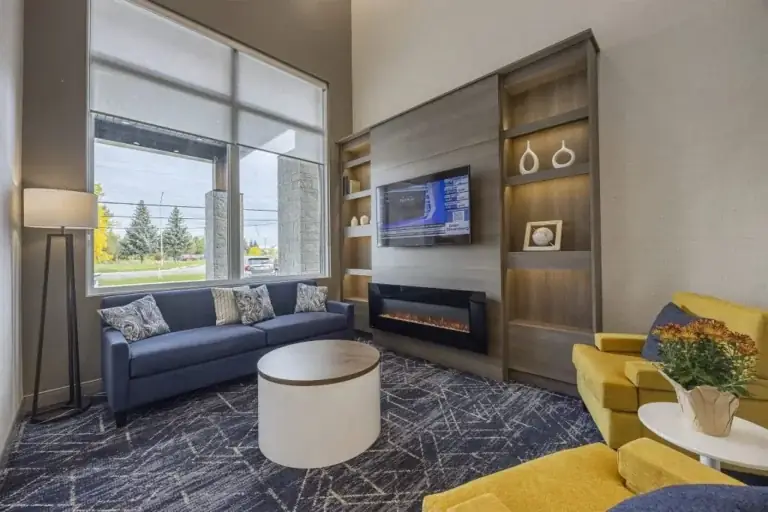
How to Plan Suites Only Events on a Budget: The Definitive Financial Strategy Guide
Analyzing the economic structures, spatial architecture, and hospitality logistics of premier multi-room residential properties reveals an intricate intersection of event production economics and luxury asset management. When corporate event directors, private brand managers, and independent producers evaluate luxury residential club towers and boutique suite compounds for exclusive gatherings, they frequently encounter steep baseline venue tariffs and restrictive catering minimums that threaten fiscal sustainability. Unlike traditional convention centers or standard ballroom properties that monetize square footage through mass capacity, establishments operating entirely within exclusive suite categories depend on low-density, high-tariff residential models where every spatial adjustment carries profound financial weight.
Evaluating comprehensive event production models requires moving past promotional marketing imagery to analyze marginal inventory costs, yield management algorithms, off-peak seasonal timing, and the nuanced boundaries governing direct operator negotiations and hidden service surcharges. From urban penthouse club towers in global financial capitals to secluded wellness resorts, identifying and mitigating these recurring financial premiums requires profound structural discipline. Consequently, approaching these distinctive cost reduction workflows solely through basic discount event planning lenses introduces severe fiscal misinterpretations, requiring deep critical analysis from experienced financial auditors and global hospitality procurement officers alike.
This reference manual provides an exhaustive structural, historical, and operational framework for analyzing, interpreting, and mastering cost reduction protocols while giving professionals clear insight into how to plan suites only events on a budget without relying on corporate clichés. The following sections dissect systemic historic evolution, analytical mental models, risk typology operational structures, and long-term governance protocols to establish a definitive professional standard for understanding the sector.
Understanding how to plan suites only events on a budget

When industry analysts and event producers investigate how to plan suites only events on a budget, the primary objective is decoding how specialized residential inventory, dynamic yield algorithms, off-peak timing multipliers, and creative spatial utilization influence both corporate balance sheets and event ROI. However, a common pitfall involves treating high-end suite venue bookings like standard hotel meeting rooms that can be acquired through basic event package discounts, completely ignoring automated yield management systems and rigid property food and beverage minimums.
A widespread misconception views financial optimization through a purely transactional lens, reducing complex revenue management principles, historical booking volume analysis, and multi-room buyout negotiations to simple discount requests at the front desk. Consequently, this oversimplification ignores the profound structural friction between maximizing short-term RevPAR for luxury asset operators and securing predictable corporate event spend during trough demand periods. In reality, mastering financial analysis requires examining the delicate economic balancing act between property inventory scarcity and the strategic deployment of guaranteed off-peak occupancy volumes across every suite asset.
Relying on uncritical generalizations introduces severe analytical vulnerabilities. When observers gloss over hidden booking channel rules, ignore seasonal demand curves, or fail to audit underlying catering and setup fee terms, small planning oversights compound into major budget overruns. True professional appraisal demands rigorous financial auditing, direct examination of property distribution channels, and an honest accounting of how these pricing models behave under severe market volatility across different global destinations.
Deep Contextual Background
The evolution of event production mechanics in luxury hospitality reflects a century-long transformation in residential architecture, hospitality distribution, and revenue management technology. Early twentieth-century luxury hotels relied on fixed, seasonal private dining rooms and traditional parlor suites negotiated through long-term social networks, offering predictable pricing structures with minimal algorithmic volatility.
The late twentieth and early twenty-first centuries marked a profound commercial turning point with the proliferation of online travel agencies, global distribution systems, and automated dynamic pricing engines that adjust suite rates in real-time based on fluctuating supply and demand signals. However, this algorithmic shift created a sharp operational challenge: managing steep supplementary event production costs for multi-room inventory without alienating budget-conscious corporate accounts or independent brand producers. To bridge this financial friction, forward-thinking event planners began engineering specialized negotiation strategies and off-peak booking mechanisms specifically tailored for all-suite properties.
As corporate event management matured, the demand for transparency, cost predictability, and strategic vendor consolidation accelerated the codification of standardized luxury residential event agreements. Consequently, studying and categorizing these comprehensive cost mitigation protocols transitioned from an ad-hoc administrative task into a highly rigorous interdisciplinary specialty encompassing revenue management, legal contract negotiation, corporate finance, and risk mitigation strategy.
Conceptual Frameworks and Mental Models
Analyzing complex pricing environments requires robust mental models that account for inventory elasticity, yield volatility, and negotiation leverage.
The Spatial Capacity vs. Yield Elasticity Gradient
This foundational model evaluates how suite square footage correlates with dynamic event pricing penalties. It prevents analytical misjudgements by mapping the technical trade-offs between booking expansive multi-room penthouses versus utilizing interconnected smaller suites across different global markets.
The Direct Property Negotiation vs. Algorithmic Yield Ratio
Properties operating within this tier must balance automated pricing software against human contract negotiations. When event producers examine the market, this mental model tracks contractual rate protection clauses against peak-season surge pricing models.
The Volume Commitment vs. Administrative Flexibility Axis
Operational workflows must evaluate the financial sustainability of committing to multi-day suite buyouts against the risk of unutilized guest room penalties and rigid corporate travel policy restrictions.
The Third-Party Distribution vs. Direct Operator Relationship Hierarchy
This model stratifies financial risk during the booking process, ensuring balanced evaluation of opaque booking channels versus direct enterprise sales account management.
Key Categories and Variations
Mastering the study of residential event asset classes involves navigating distinct regional distribution models and corporate procurement frameworks across domestic and international markets, each carrying specific financial risks and negotiation structures. When industry professionals analyze properties delivering top-tier suite experiences, they typically segment the landscape into six core variations.
1. Off-Peak Midweek and Shoulder Season Buyouts
Executing multi-room suite events during trough demand periods when luxury residential properties aggressively discount baseline rates and waive facility fees.
-
Trade-Offs: Captures massive cost savings and premium suite access, but requires rigid alignment with non-traditional event calendars.
2. Interconnected Multi-Suite Clustering
Booking adjacent or vertically stacked mid-tier suites rather than massive flagship penthouses, utilizing open-door configurations for guest circulation.
-
Trade-Offs: Drastically reduces base rental tariffs and spatial overhead, but requires careful crowd flow management across separate entryways.
3. Direct Enterprise Sales Account Engagement
Establishing active relationships with dedicated property-level or regional sales directors to negotiate unadvertised event packages and waive catering minimums.
-
Trade-Offs: Provides highly personalized booking flexibility and custom waiver terms, but requires substantial ongoing corporate event volume to maintain account priority.
4. Hybrid Catering and External Provisioning Agreements
Negotiating contractual clauses that permit external boutique catering or reduced in-house food and beverage minimums for private suite gatherings.
-
Trade-Offs: Substantially lowers dining expenditure inflation, but involves strict property hygiene approvals and corkage or kitchen usage fees.
5. Corporate Consortium and Preferred Partner Programs
Utilizing elite travel agency networks and specialized corporate booking consortia that automatically unlock proprietary amenities and property credits.
-
Trade-Offs: Secures verified luxury perks and priority waitlisting, but requires booking through designated agency channels with associated management fees.
6. Extended-Stay Amortization Event Structuring
Integrating short-form corporate events into a multi-week extended-stay residential booking where nightly suite costs are amortized across long durations.
-
Trade-Offs: Reduces effective spatial overhead and secures prime inventory, but ties up substantial capital and limits geographic agility.
Operational Comparison Table
| Event Procurement Strategy | Primary Financial Driver | Risk Exposure | Implementation Complexity | Ideal Enterprise Profile |
| Off-Peak Seasonal Buyouts | Trough rate discounting | Low (Inflexible event timing) | Low (Strategic calendar alignment) | Flexible corporate marketing teams |
| Interconnected Suite Clustering | Lower base spatial tariffs | Moderate (Crowd flow friction) | Moderate (Requires custom floor plan audit) | Boutique brand launch planners |
| Direct Sales Account Outreach | Relationship-based waivers | Low (Account dependency) | Moderate (Requires dedicated event buyer) | Mid-market corporate producers |
| External Provisioning Pacts | Catering cost reduction | High (Strict property vendor rules) | High (Culinary contract negotiation) | Specialized culinary brand hosts |
| Extended-Stay Amortization | Amortized spatial overhead | High (Capital lock-in & cancellation fees) | Moderate (Advance cash flow planning) | Project-based corporate teams |
Realistic Decision Logic
When corporate event producers, marketing directors, or independent planners seek guidance on evaluating budgeting structures across the luxury landscape, decision logic must prioritize the strict auditing of off-peak seasonal calendars, catering minimum waiver clauses, and direct sales account access above superficial public event packages. If an evaluator analyzes a luxury residential asset using criteria designed for standard convention center bookings—where public aggregator sites take precedence over direct operator relationship management—the resulting financial plan will fail under the weight of automated resort surge pricing. Observers must weigh public promotional rates against the immutable economic realities of direct venue contract procurement.
Detailed Real-World Scenarios
Practical analytical scenarios illustrate how recognizing pricing constraints, contractual limits, and operational vulnerabilities prevents budgetary failure across diverse corporate event markets.
Case Study A: The Off-Peak Midweek Penthouse Launch
A boutique technology enterprise launching a new product successfully executed an exclusive multi-room penthouse event on a restricted budget by scheduling the gathering on a Tuesday evening during the shoulder season.
-
Constraints: Strict corporate marketing budget caps; high requirement for luxury aesthetics and private executive networking space.
-
Decision Points: Management evaluated whether to book a traditional hotel ballroom on a weekend versus negotiating a midweek evening buyout of a luxury residential suite compound.
-
Failure Modes Identified: Booking standard weekend ballrooms exposed the enterprise to massive baseline venue fees and rigid in-house audiovisual monopolies.
-
Second-Order Effects: Scheduling a midweek evening event required accommodating non-traditional guest travel schedules.
-
Resolution: Leveraging trough demand pricing allowed the enterprise to secure a multi-room penthouse suite compound at a fraction of weekend rates, completely bypassing standard ballroom minimums.
Field Incident B: The Interconnected Suite Clustering Strategy
A specialized creative agency cut event venue costs by fifty percent when hosting an intimate VIP brand reception by clustering three adjacent two-bedroom suites rather than renting a monolithic presidential suite.
-
Constraints: Limited event production budget; requirement for distinct breakout zones for media interviews and product displays.
-
Decision Points: Planners compared renting a single massive flagship penthouse against booking three interconnected mid-tier residential suites on the same floor.
-
Failure Modes Identified: Single flagship penthouses carried prohibitive hourly event production tariffs and rigid mandatory catering contracts.
-
Second-Order Effects: Clustering separate suites required coordinating guest flow across multiple entry doors and managing sound bleed between rooms.
-
Resolution: Opening connecting interior doors between the three residential suites created a seamless multi-zone event layout while slashing baseline rental costs.
Operational Deployment C: Direct Sales Account Catering Waiver
An independent brand producer successfully eliminated steep in-house food and beverage minimums for an exclusive suite gathering by engaging directly with the property regional sales director six months in advance.
-
Constraints: High-profile media guests requiring premium culinary presentation; strict maximum catering expenditure limit.
-
Decision Points: Evaluators compared accepting standard mandatory in-house catering packages against negotiating custom food and beverage waiver addendums.
-
Failure Modes Identified: Accepting standard catering minimums resulted in inflated per-plate costs that destroyed the event production budget.
-
Second-Order Effects: Direct sales engagement required consistent pre-booking communication and transparent forecasting of future corporate lodging volume.
-
Resolution: Guaranteeing a baseline of multi-night executive suite bookings for incoming corporate travelers successfully persuaded the sales director to waive the mandatory event catering minimum.
Operational Deployment D: Extended-Stay Project Amortization
A corporate marketing team successfully produced a month-long series of private client dinners by integrating event dates into a pre-existing extended-stay residential suite booking contract.
-
Constraints: Fixed project duration; strict limitations on allowable out-of-pocket event staging expenses.
-
Decision Points: Planners compared booking standalone daily event spaces against utilizing an existing extended-stay residential lease as a revolving event venue.
-
Failure Modes Identified: Booking standalone event venues for multiple dates created compounding daily rental surcharges and setup friction.
-
Second-Order Effects: Utilizing a residential suite as a recurring event space required careful daily turnover and housekeeping coordination.
-
Resolution: Amortizing the spatial overhead across a month-long extended stay reduced effective daily venue costs to zero, allowing the entire budget to be allocated toward guest experience and culinary presentation.
Planning, Cost, and Resource Dynamics
Administering an effective operational and financial protocol when establishing how to plan suites only events on a budget requires understanding the economic relationship between event production negotiation, spatial optimization, and budget allocation.
Direct and Indirect Financial Realities
When analyzing luxury residential event pricing, investigators must weigh upfront contract legal review costs and dedicated event production labor against the immense financial exposure of uncontrolled venue tariffs and catering minimums. Failing to account for procurement overhead creates financially fragile event programs that leak capital through unmonitored booking channels.
Opportunity Cost and Resource Allocation
Coordinators must balance intensive corporate contract negotiations against broader operational expense priorities. Over-allocating administrative resources to negotiate minor discounts on low-value events yields diminishing returns, while ignoring high-volume corporate event corridors leaves substantial capital unprotected.
Financial and Resource Allocation Range Table
| Event Management Phase | Typical Time Investment | Resource Requirement | Financial Impact | Economic Return |
| Off-Peak Seasonal Timing | 10 – 20 Hours / Event | Calendar planners & market analysts | Reduces baseline venue tariffs | Critical (slashes primary fixed costs) |
| Suite Clustering Logistics | 15 – 30 Hours / Layout | Production designers & floor planners | Lowers spatial rental overhead | High (optimizes square footage costs) |
| Direct Sales Account Outreach | 10 – 20 Hours / Quarter | Event directors & sales managers | Secures catering minimum waivers | High (eliminates hidden dining markups) |
| Extended-Stay Amortization | 15 – 25 Hours / Project | Financial analysts & legal review | Amortizes event space overhead | High (stabilizes long-term project budgets) |
Tools, Strategies, and Support Systems
Executing precise financial auditing and operational oversight when planning premier residential events on a budget requires specialized corporate event software, contract repository platforms, and production checklists.
1. Enterprise Corporate Event Management Software
Deploying advanced event planning platforms that enforce budget caps, track venue fee exceptions, and monitor expense compliance in real-time.
2. Global Contract and MSA Repository Vaults
Storing all corporate lodging agreements, event addendums, catering waiver terms, and preferred partner contracts in a single secure cloud vault.
3. Dynamic Hotel Price Intelligence and Seasonal Trackers
Using specialized auditing software to monitor historical pricing patterns, spot off-peak troughs, and verify contracted rate compliance across global luxury markets.
4. Dedicated Corporate Sales Directory Networks
Maintaining structured internal databases of regional sales directors, general managers, and preferred account contacts across major luxury hotel groups.
5. Automated Event Expense Auditing and Anomaly Detection
Deploying automated expense reporting software that flags unauthorized venue surcharges and catering minimum exceptions instantly.
6. Spatial Capacity and Floor Plan Modeling Tools
Utilizing 3D architectural modeling software to map guest circulation, furniture layouts, and acoustic boundaries across interconnected residential suites.
Risk Landscape and Failure Modes
Failing to properly address structural, contractual, and operational realities when planning luxury suite events exposes enterprises and individuals to compounding financial and administrative risks.
Uncontrolled Budget Inflation via Peak-Demand Surges
Underestimating the financial exposure of scheduling suite events during high-occupancy citywide conference periods, leading to severe budget overruns.
Catering Minimum Violations and In-House Penalties
Failing to negotiate flexible food and beverage clauses, resulting in massive penalty invoices for failing to meet inflated property catering minimums.
Spatial Congestion and Guest Flow Bottlenecks
Imposing poorly planned layouts across confined residential suites that restrict guest circulation and create severe logistical friction during the event.
Governance, Maintenance, and Long-Term Adaptation
Administering long-term financial quality control over corporate event budgeting and luxury suite optimization requires disciplined review cycles, contract auditing, and systematic maintenance checklists.
-
Quarterly Event Budget and Contract Audits: Review all event production invoices against contracted rate sheets and waived fee agreements prior to fiscal reconciliation.
-
Annual Enterprise Event Policy Reviews: Evaluate venue channel compliance, vendor performance, and off-peak scheduling strategies continuously across all corporate markets.
-
Layered Property Governance Checklist:
-
Verify all active event contracts include explicit clauses waiving mandatory catering minimums.
-
Maintain active direct communication channels with regional sales directors for high-volume properties.
-
Audit corporate event platform configurations to ensure unauthorized production add-ons are blocked.
-
Track seasonal demand curves to identify optimal troughs for off-peak event scheduling.
-
Measurement, Tracking, and Evaluation
Assessing the ongoing financial performance and operational success of budget-conscious suite event production involves monitoring both qualitative and quantitative indicators.
Leading and Lagging Indicators
Leading indicators include off-peak calendar alignment rates, executed venue contract counts, direct sales contact engagement frequency, and spatial floor plan approvals. Conversely, lagging indicators reflect financial control failures, including unexpected catering minimum penalties, policy exception volume, budget variance reports, and expired event agreements.
Common Misconceptions and Oversimplifications
1. Front-desk charm and polite requests can eliminate mandatory event venue fees at check-in.
Automated property management systems and yield algorithms strictly prevent front-desk staff from overriding mandatory event tariffs without formal managerial approval or pre-negotiated contracts.
2. Public online event platforms consistently offer the lowest available rates for luxury suites.
Aggregator platforms often mask mandatory resort fees, service charges, and event production premiums that are completely waived or transparently bundled in direct corporate agreements.
3. Corporate event policies should ban all multi-room suite gatherings to eliminate budget risks.
Prohibiting necessary suite events for executive networking or brand launches harms business growth and forces staff into suboptimal venue arrangements.
4. Loyalty program status alone guarantees complimentary suite event spaces without supplemental fees.
Hotel loyalty programs typically restrict benefits to single-tier guest room upgrades based on availability, rarely covering multi-room event buyouts or social gatherings.
5. Negotiating corporate event contracts is only valuable for massive multinational conglomerates.
Mid-sized enterprises and growing remote organizations can leverage direct sales outreach and off-peak scheduling to secure significant venue fee waivers.
6. Dynamic pricing algorithms are entirely unpredictable and impossible to hedge against.
Analyzing historical seasonal demand patterns and executing bookings during trough demand windows effectively insulates event budgets from extreme algorithmic pricing volatility.
Ethical, Practical, and Contextual Considerations
Mastering the execution of luxury suite events on a restricted budget extends beyond financial accounting into responsible corporate procurement and ethical vendor relationship management. When enterprise event directors and independent producers maintain rigorous fiscal discipline while establishing transparent communication channels with property operators, they carry a professional obligation to honor contract terms, respect fair market value, and support sustainable hospitality operations. By integrating strategic off-peak scheduling, data-driven expense auditing, and collaborative account management, stakeholders ensure their event programs honor intellectual honesty while delivering dependable, authoritative results.
Conclusion
Mastering the structural, financial, and administrative principles required to successfully evaluate and optimize pricing models within the luxury residential suite event sphere is essential for achieving true topical authority and long-term budget stability. Relying on generalized event assumptions, unmonitored public booking channels, and ad-hoc discount requests guarantees financial leakage and administrative distress. By investing in off-peak timing, suite clustering, direct sales engagement, and disciplined data tracking, stakeholders secure a highly dependable operating framework. Ultimately, rigorous intellectual stewardship transforms complex financial challenges into clear, deeply understood realities.