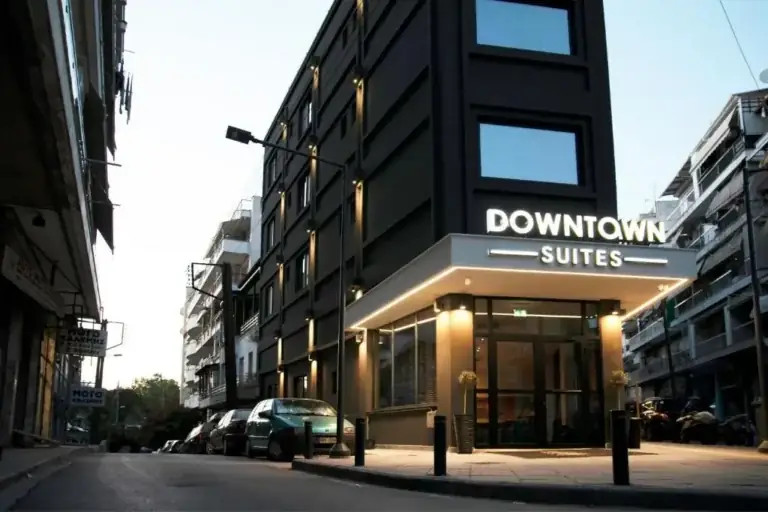
Modern Metropolitan Lifestyle Destinations USA: The Definitive Urban Core Guide
Analyzing the spatial planning, mixed-use zoning dynamics, and economic distribution models of premier domestic urban centers reveals an intricate intersection of civil engineering, real estate development economics, and cultural curation. When urban planners, municipal policy directors, and real estate investment analysts evaluate specialized environments operating within the modern metropolitan lifestyle destinations usa market segment, they encounter complex transit-oriented development frameworks, evolving live-work-play typologies, and distinct regulatory barriers that redefine conventional city planning standards. Unlike traditional single-use suburban business parks or isolated residential subdivisions, establishments operating entirely within dense urban core lifestyle districts depend on integrated pedestrian corridors, adaptive reuse architecture, and high-frequency transit adjacencies where every spatial interaction carries profound economic and social weight.
Evaluating comprehensive metropolitan destination models requires moving past promotional marketing imagery to analyze high-density land-use codes, inclusionary zoning mandates, climate-resilient urban infrastructure, and the nuanced boundaries governing public-private partnership management. From revitalized historic industrial waterfronts across eastern seaports to master-planned innovation districts in western tech hubs, identifying and appreciating these exceptional domestic urban assets requires profound structural discipline. Consequently, approaching these distinctive environments solely through basic tourism or commercial real estate lenses introduces severe economic and spatial misinterpretations, requiring deep critical analysis from experienced urban economists and municipal infrastructure directors alike.
This reference manual provides an exhaustive structural, historical, and operational framework for analyzing, interpreting, and mastering the domestic metropolitan landscape while giving professionals clear insight into the sector without relying on generic promotional clichés. The following sections dissect systemic historic evolution, analytical mental models, risk typology operational structures, and long-term governance protocols to establish a definitive professional standard for understanding the sector.
Understanding modern metropolitan lifestyle destinations usa

When industry analysts and urban policy curators investigate modern metropolitan lifestyle destinations usa, the primary objective is decoding how specialized regional inventory, pedestrian network design, zoning restrictions, and unique cultural programming influence both asset valuation and civic vitality. However, a common pitfall involves treating these exceptional urban districts like standard retail shopping malls that can be categorized through generic foot-traffic metrics, completely ignoring regional economic carrying capacities and complex public transportation integration requirements.
A widespread misconception views domestic urban destination evaluation through a purely commercial lens, reducing complex spatial provenance, inclusionary housing mandates, and localized civic governance models to simple retail revenue checklists. Consequently, this oversimplification ignores the profound operational friction between maintaining vibrant, accessible public spaces and accommodating high-density residential and commercial demands across diverse municipal jurisdictions. In reality, mastering property appraisal requires examining the delicate balancing act between protecting rare historical structural integrity and delivering dynamic civic services across every distinctive urban compound.
Relying on uncritical generalizations introduces severe analytical vulnerabilities. When observers gloss over municipal budget shifts, ignore local transit-oriented development constraints, or fail to audit underlying public space maintenance records, small planning oversights compound into major municipal crises. True professional appraisal demands rigorous operational auditing, direct examination of regional land titles, and an honest accounting of how these exceptional domestic properties perform under severe economic and environmental stress across different geographical territories.
Deep Contextual Background
The evolution of domestic high-density urban lifestyle districts and architectural curation in North America reflects a century-long transformation in industrial zoning policies, post-war suburban migration, and twentieth-century urban renewal movements. Early twentieth-century metropolitan growth across the country relied on heavy manufacturing cores, central railway terminals, and dense tenement housing managed through municipal regulatory frameworks, offering industrial productivity rather than integrated lifestyle experiences.
The late twentieth and early twenty-first centuries marked a profound commercial turning point with the proliferation of downtown residential conversions, master-planned entertainment districts, and high-net-worth urbanites seeking deep cultural immersion rather than isolated suburban comfort. However, this shift toward walkable mixed-use neighborhoods created a sharp operational challenge: managing aging underground utility networks, volatile commercial rental markets, and highly customized public-private management structures without sacrificing structural resilience or civic accessibility. To bridge this gap, visionary city planners and real estate developers began engineering specialized business improvement districts, form-based zoning codes, and dedicated public space curation protocols specifically tailored for extraordinary domestic urban sanctuaries.
As the luxury and lifestyle domestic real estate market matured, the demand for architectural authenticity, spatial walkability, and economic sustainability accelerated the codification of specialized property evaluation standards. Consequently, studying and categorizing these exceptional urban assets transitioned from an ad-hoc lifestyle interest into a highly rigorous interdisciplinary specialty encompassing urban economics, municipal real estate law, and metropolitan governance.
Conceptual Frameworks and Mental Models
Analyzing complex metropolitan lifestyle environments requires robust mental models that account for pedestrian flow, mixed-use synergy, and municipal infrastructure capacity.
The Pedestrian Permeability vs. Vehicular Friction Gradient
This foundational model evaluates how street-level design correlates with ongoing economic vitality and visitor safety risks. It prevents analytical misjudgements by mapping the technical trade-offs between maximizing automobile throughput versus prioritizing continuous sidewalk retail frontage across dense urban corridors.
The Mixed-Use Synergy vs. Single-Asset Vacancy Ratio
Properties operating within master-planned urban districts must balance retail, residential, and office space allocations against market volatility. When analysts examine the market, this mental model tracks cross-functional foot-traffic generation against long-term asset diversification metrics.
The Public-Private Governance vs. Municipal Control Axis
Operational workflows must evaluate the financial sustainability of maintaining business improvement districts and private security forces across sprawling public plazas against public municipal budget constraints.
The Form-Based Zoning vs. Euclidian Separation Hierarchy
This model stratifies legal and operational risk during property acquisition and management, ensuring balanced evaluation of flexible building envelope codes versus rigid traditional single-use zoning restrictions.
Key Categories and Variations
Mastering the study of exceptional domestic urban lifestyle assets involves navigating distinct regional architectural styles and economic climates across the country, each carrying specific structural challenges and curation structures. When industry professionals analyze properties within the modern metropolitan lifestyle destinations usa ecosystem, they typically segment the landscape into six core variations.
1. Adaptive Reuse Industrial Waterfront Districts
Historic brick manufacturing warehouses and shipping terminals transformed into vibrant dining, cultural exhibition, and loft residential hubs along urban rivers and harbors.
-
Trade-Offs: Delivers exceptional architectural character and waterfront civic access, but involves complex environmental remediation, flood mitigation, and historic preservation mandates.
2. Transit-Oriented Innovation and Tech Hubs
High-density mixed-use developments clustered around major multi-modal rail terminals, combining Class-A office towers, incubator labs, and high-rise residential suites.
-
Trade-Offs: Provides unmatched regional connectivity and continuous economic activity, but exposes operations to high land acquisition costs and complex public transit coordination.
3. Master-Planned Cultural and Arts Precincts
Purpose-built urban districts housing symphony halls, contemporary art museums, boutique theaters, and open-air performance plazas surrounded by luxury hospitality.
-
Trade-Offs: Offers sophisticated cultural curation and civic prestige, but relies heavily on philanthropic funding, seasonal event calendars, and municipal tax incentives.
4. Urban Infill Main Street Revitalization Corridors
Historic downtown commercial streets retrofitted with pedestrianized corridors, boutique retail storefronts, upper-story residential apartments, and outdoor dining parklets.
-
Trade-Offs: Secures localized community engagement and small business diversity, but involves challenging parking logistics, small parcel fragmentation, and merchant coordination.
5. Luxury Mixed-Use Vertical Villages
Self-contained multi-block vertical developments featuring luxury residential towers, private members’ clubs, high-end wellness spas, and curated culinary arcades.
-
Trade-Offs: Delivers high security, controlled environments, and five-star service density, but can create insular enclaves disconnected from broader civic fabrics.
6. Eco-District Sustainable Urban Campuses
Forward-thinking metropolitan developments engineered around net-zero energy grids, decentralized water recycling, extensive urban green roofs, and native pocket parks.
-
Trade-Offs: Captures cutting-edge environmental sustainability and low long-term utility costs, but demands massive upfront capital investment and specialized technical maintenance.
Operational Comparison Table
| Metropolitan Asset Class | Primary Environmental Exposure | Maintenance Complexity | Zoning Rigidity | Ideal Visitor/Resident Profile |
| Adaptive Reuse Waterfronts | Tidal flooding, salt air, & soil contaminants | High (Bulkhead care & environmental capping) | Strict (Historic & coastal codes) | Heritage and coastal lifestyle enthusiasts |
| Transit-Oriented Innovation Hubs | High vibration, foot traffic, & noise | Moderate (Common area & transit upkeep) | Moderate (TOD zoning incentives) | Tech professionals & urban commuters |
| Cultural & Arts Precincts | High crowd density & event wear | Moderate-High (Specialized venue care) | High (Cultural overlay districts) | Art connoisseurs & cultural tourists |
| Infill Main Street Corridors | Street-level wear, litter, & weather | Moderate (Sidewalk & streetscape care) | Moderate (Form-based code districts) | Local community members & shoppers |
| Vertical Mixed-Use Villages | Controlled microclimates & facade load | High (Multi-tier mechanical systems) | High (Master development agreements) | Affluent executives & privacy seekers |
Realistic Decision Logic
When urban planners, real estate investors, or municipal policy directors seek guidance on evaluating properties across the domestic metropolitan landscape, decision logic must prioritize the strict auditing of mass transit connectivity, stormwater management infrastructure, and business improvement district funding models above superficial architectural styling. If an evaluator analyzes a unique urban district using criteria designed for suburban office parks—where ample free parking and isolated campus layouts are taken for granted—the resulting development or investment plan will fail under the weight of pedestrian congestion and parking demand. Observers must weigh promotional marketing renderings against the immutable structural and economic realities of exceptional urban real estate.
Detailed Real-World Scenarios
Practical analytical scenarios illustrate how recognizing infrastructural constraints, municipal zoning limits, and economic boundaries prevents catastrophic failure across diverse domestic urban markets.
Case Study A: The Industrial Waterfront Resilience and Flood Mitigation Retrofit
An adaptive reuse warehouse district along an eastern seaboard harbor successfully resolved chronic tidal flooding and sea-level rise vulnerabilities by installing deployable flood gates, living shoreline bulkheads, and elevated pedestrian boardwalks.
-
Constraints: Extreme tidal storm surges; contaminated brownfield soil requiring strict environmental containment.
-
Decision Points: Management evaluated whether to construct massive concrete seawalls or execute an integrated living shoreline and deployable flood-gate infrastructure project.
-
Failure Modes Identified: Traditional concrete bulkheads accelerated wave rebound and eroded adjacent public piers, threatening historic warehouse foundations.
-
Second-Order Effects: Executing marine construction work within active commercial harbors required complex coordination with federal maritime navigation agencies and environmental regulators.
-
Resolution: Installing stepped stone revetments combined with automated hydraulic flood barriers successfully protected historic structures while enhancing public waterfront access.
Field Incident B: The Transit-Oriented Development Microgrid and Utility Upgrade
A high-density mixed-use innovation district clustered around a western regional rail terminal successfully overcame municipal grid capacity bottlenecks by installing a decentralized district energy microgrid and battery storage system.
-
Constraints: Aging municipal electrical grid unable to support high-density mixed-use computing and HVAC loads; strict local carbon emission caps.
-
Decision Points: Planners assessed whether to wait for municipal utility grid expansion or invest in a private district energy microgrid powered by rooftop solar and fuel cells.
-
Failure Modes Identified: Overloading local substation transformers triggered rolling brownouts across newly opened commercial office towers and residential suites.
-
Second-Order Effects: Financing and operating a district energy utility required establishing a specialized private utility corporation and navigating complex state energy regulations.
-
Resolution: Constructing a localized natural-gas and solar microgrid ensured uninterrupted power distribution while meeting stringent municipal carbon reduction targets.
Operational Deployment C: Cultural Precinct Pedestrianization and Loading Logistics
A master-planned downtown arts district successfully transformed its primary thoroughfare into a pedestrian-only cultural promenade while maintaining efficient backstage theatrical loading and emergency vehicle access.
-
Constraints: Heavy pedestrian foot traffic conflicting with semi-truck theatrical equipment deliveries and emergency service requirements.
-
Decision Points: Evaluators compared banning all service vehicles during daytime hours against engineering retractable bollards and subterranean service loading docks.
-
Failure Modes Identified: Restricting surface delivery trucks choked off essential production logistics for resident symphony and theater companies.
-
Second-Order Effects: Constructing shared subterranean loading bays beneath public plazas required complex structural engineering transfer slabs.
-
Resolution: Implementing hydraulic retractable bollards that permitted scheduled morning freight deliveries while maintaining pedestrian-only afternoon hours balanced commerce and safety.
Operational Deployment D: Main Street Retail District Waste Management Modernization
A historic downtown commercial corridor successfully eliminated sidewalk clutter, pest infestations, and diesel odor by replacing individual merchant trash cans with a consolidated automated pneumatic waste collection system.
-
Constraints: Narrow historic sidewalks; high density of street-level dining establishments generating massive organic waste volumes.
-
Decision Points: Management compared traditional nightly curb-side trash collection fleets against installing an underground vacuum-tube pneumatic waste network.
-
Failure Modes Identified: Overflowing sidewalk dumpsters degraded the pedestrian experience and attracted urban rodent populations, harming retail leasing metrics.
-
Second-Order Effects: Trenching underground pneumatic tubes through a historic downtown district required extensive archaeological monitoring and utility mapping.
-
Resolution: Installing concealed pneumatic inlet portals connected to a central district compaction facility permanently eliminated surface waste bins and sanitation truck traffic.
Planning, Cost, and Resource Dynamics
Administering an effective operational and financial protocol when evaluating and managing unique urban lifestyle assets requires understanding the relationship between public-private governance, infrastructure maintenance, and capital reserve allocations.
Direct and Indirect Financial Realities
When analyzing unique metropolitan districts, investigators must weigh upfront zoning compliance costs, business improvement district management overhead, and urban infrastructure maintenance expenses against the immense financial exposure of retail vacancy cycles, municipal tax shifts, and climate disaster recovery. Failing to account for public space upkeep creates fragile districts that degrade into blighted urban corridors.
Opportunity Cost and Resource Allocation
Coordinators must balance intensive public realm maintenance against broader commercial marketing investments. Over-allocating resources to superficial street decorations yields diminishing returns, while ignoring core stormwater drainage, security lighting, and sidewalk structural repair leaves substantial urban real estate assets exposed to physical and economic decay.
Financial and Resource Allocation Range Table
| Maintenance Phase | Typical Time Investment | Resource Requirement | Financial Impact | Economic Return |
| Public Realm & Sidewalk Upkeep | 100 – 200 Hours / Month | Municipal crews & private contractors | Maintains pedestrian safety | Critical (protects retail foot traffic) |
| District Microgrid & Utility Audits | 40 – 80 Hours / Quarter | Electrical engineers & utility techs | Ensures power reliability | High (prevents commercial downtime) |
| Zoning & Regulatory Compliance | 30 – 60 Hours / Year | Urban planners & land-use attorneys | Avoids legal penalties | Essential (protects operating permits) |
| Security & Placemaking Curation | 150 – 300 Hours / Month | Private security & event managers | Enhances visitor safety | High (drives district brand value) |
Tools, Strategies, and Support Systems
Executing precise urban audits and operational oversight when managing unique metropolitan lifestyle assets requires specialized geographical software, asset repository platforms, and maintenance checklists.
1. Enterprise Urban Asset Management Software
Deploying advanced municipal software that tracks street furniture wear, stormwater drainage valve performance, and public Wi-Fi sensor networks in real-time.
2. Zoning and Land-Use Document Vaults
Storing original form-based codes, master development agreements, historic preservation board approvals, and public easement deeds in a single secure cloud vault.
3. Specialized Regional Engineering and Urban Planning Networks
Maintaining direct relationships with certified traffic engineers, urban hydrologists, placemaking consultants, and municipal land-use attorneys.
4. Automated Pedestrian and Environmental Monitoring Systems
Using IoT sensor networks to track pedestrian foot-traffic density, air quality indices, ambient noise levels, and public plaza occupancy rates.
5. Emergency Public Safety and Communications Portals
Deploying digital monitoring tools that track emergency call box statuses, public address systems, and severe weather alert broadcasts across urban districts.
6. Economic Impact and Retail Performance Dashboards
Deploying enterprise analytics platforms that aggregate sales tax generation, retail leasing velocity, parking garage utilization, and foot-traffic conversion metrics across urban portfolios.
Risk Landscape and Failure Modes
Failing to properly address structural, environmental, and regulatory realities when managing exceptional metropolitan lifestyle districts exposes owners and operators to compounding financial and legal vulnerabilities.
Catastrophic Economic Decline via Retail Monoculture
Underestimating the fragility of relying exclusively on high-end national retail chains, leading to district ghost towns when consumer trends shift.
Regulatory Stop-Work Orders via Zoning and Easement Violations
Failing to secure proper approvals from municipal planning commissions prior to executing public-space activations or facade modifications.
Extended District Isolation via Urban Infrastructure Failure
Relying on aging municipal utility grids and single-access transit corridors without adequate backup microgrids during metropolitan power outages or civil disruptions.
Governance, Maintenance, and Long-Term Adaptation
Administering long-term quality control over metropolitan district property management requires disciplined review cycles, urban audits, and systematic maintenance checklists.
-
Quarterly Public Realm and Infrastructure Audits: Review all sidewalk structural integrity logs, stormwater drainage clearance, and security camera networks prior to peak seasonal visitor surges.
-
Annual District Compliance Reviews: Evaluate master development agreement adherence, municipal tax district performance, and insurance policy coverage limits continuously across all assets.
-
Layered Property Governance Checklist:
-
Verify all district activations comply with municipal zoning codes and public easement ordinances.
-
Maintain active service contracts with certified urban civil engineers and placemaking curators.
-
Inspect emergency lighting, public address systems, and flood barriers monthly.
-
Audit sidewalk paving, street furniture, and public Wi-Fi infrastructure prior to peak festival seasons.
-
Measurement, Tracking, and Evaluation
Assessing the ongoing economic health and operational success of exceptional metropolitan lifestyle properties involves monitoring both qualitative and quantitative indicators.
Leading and Lagging Indicators
Leading indicators include preventive maintenance completion rates, pedestrian foot-traffic sensor logs, retail leasing inquiry volumes, and zoning permit compliance verifications. Conversely, lagging indicators reflect operational failures, including retail tenant turnover rates, public safety incident reports, municipal fine notices, and visitor satisfaction drops caused by infrastructure decay or congestion.
Common Misconceptions and Oversimplifications
1. Unique metropolitan lifestyle destinations require standard suburban commercial property management.
Bespoke urban environments demand specialized public-private governance, crowd management protocols, and multi-tenant loading coordination that standard property management completely ignores.
2. Master development agreements and zoning codes remain static after initial district construction.
Municipalities and planning commissions regulate signage, public easements, outdoor dining footprints, and building use categories continuously throughout a district’s operational lifecycle.
3. Urban lifestyle districts are entirely insulated from broader regional economic shifts.
Even premier metropolitan destinations depend on regional disposable income, transit reliability, and broader commercial real estate cycles that require active economic diversification.
4. Public-private partnerships require minimal administrative oversight once established.
Managing business improvement districts requires continuous stakeholder alignment, transparent financial auditing, and ongoing public relations management.
5. Standard commercial insurance policies adequately cover sprawling urban public plazas.
Specialized districts require complex manuscript insurance policies covering public liability, event interruption, and infrastructure damage that standard policies exclude.
6. Metropolitan destination asset management requires no specialized municipal legal counsel.
Navigating complex city councils, transit authorities, public easements, and historic preservation boards requires expert legal representation.
Ethical, Practical, and Contextual Considerations
Mastering the evaluation and management of properties within the modern metropolitan lifestyle destinations usa landscape extends beyond operational logistics into responsible civic stewardship and inclusive urban design. When property owners, asset managers, and municipal curators maintain rigorous infrastructural diligence while establishing transparent communication channels with local communities and regulators, they carry a professional obligation to honor regional heritage, promote equitable public access, and support sustainable metropolitan development operations. By integrating rigorous urban engineering, regulatory compliance, and disciplined asset tracking, stakeholders ensure their properties honor intellectual honesty while delivering dependable, authoritative results.
Conclusion
Mastering the structural, economic, and administrative principles required to successfully evaluate and manage unique metropolitan lifestyle districts within the urban development sphere is essential for achieving true topical authority and long-term asset stability. Relying on generalized commercial assumptions, unverified public-private agreements, and deferred infrastructure maintenance schedules guarantees operational distress and financial loss. By investing in resilient urban engineering, mixed-use economic diversification, microgrid redundancy, and disciplined asset tracking, stakeholders secure a highly dependable operating framework. Ultimately, rigorous intellectual stewardship transforms complex metropolitan real estate challenges into clear, deeply understood realities.