
How to Plan Suites Only Stays on a Budget: Definitive Guide
Examining the financial mechanics, seasonal pricing elasticities, and reservation optimization strategies of high-end all-suite hospitality reveals an intricate convergence of high-net-worth real estate economics and budget-conscious travel planning. When seasoned independent travelers, corporate relocation strategists, and financial analysts investigate how to plan suites only stays on a budget, they encounter a specialized administrative challenge: properties or dedicated compounds operating entirely under all-suite inventory structures that command high baseline nightly tariffs without the financial relief of standard single-room buffer tiers. Unlike traditional full-service hotels that subsidize operational costs with massive blocks of compact standard guest rooms, all-suite properties derive their financial model from expansive residential square footage, private multi-room layouts, in-suite culinary facilities, and dedicated staffing ratios.
Evaluating comprehensive budget frameworks requires moving past promotional marketing imagery to analyze complex seasonal yield curves, multi-night minimum stay requirements, hidden resort fees, and the nuanced contractual boundaries governing extended stay discounts, direct booking perks, and loyalty redemption channels. From secluded boutique suite enclaves across secondary urban markets and heritage resort destinations to independent extended-stay compounds, mastering cost-effective access without diluting asset quality requires profound planning discipline. Consequently, approaching these distinctive reservation workflows solely through surface-level discount lenses introduces severe financial and operational misinterpretations, requiring deep critical analysis from experienced travel strategists and asset evaluators alike.
This reference manual provides an exhaustive structural, historical, and operational framework for analyzing, interpreting, and mastering how to plan suites only stays on a budget across global markets without relying on management clichés. The following sections dissect systemic historic evolution, analytical mental models, cost typology operational structures, and long-term governance protocols to establish a definitive professional standard for understanding the sector.
Understanding how to plan suites only stays on a budget
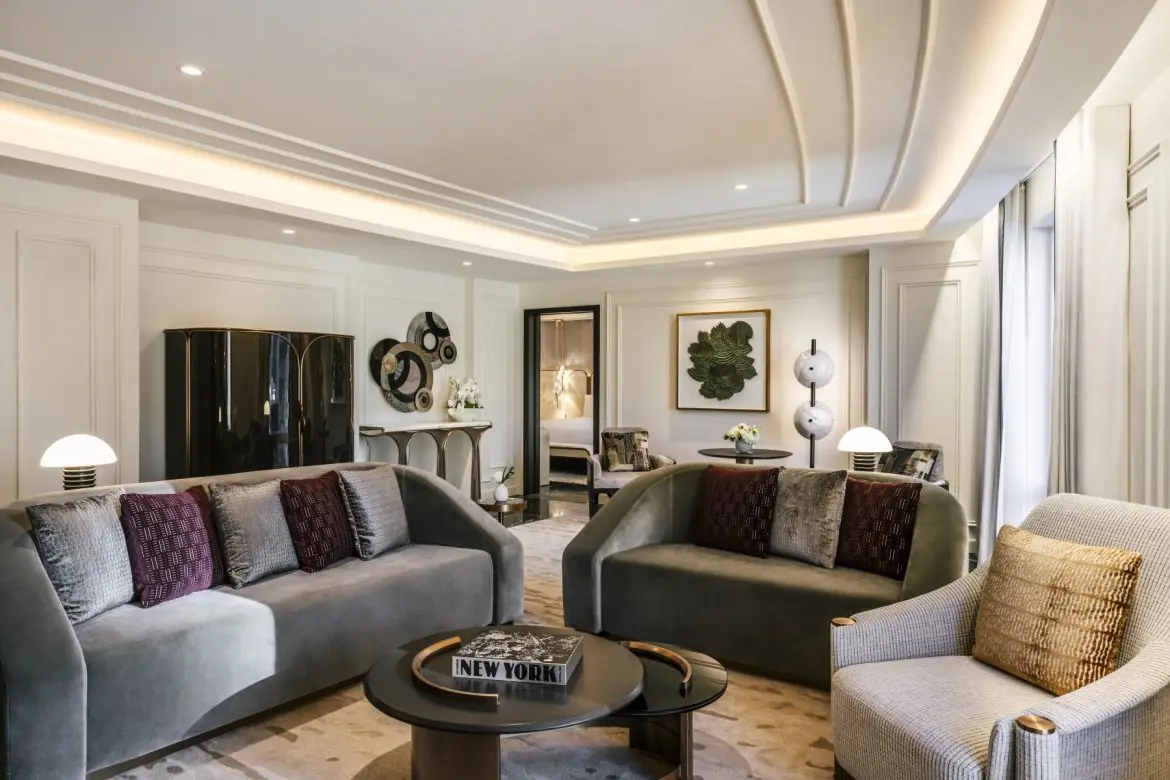
When industry analysts and consumer economists investigate how to plan suites only stays on a budget, the primary objective is decoding how unique architectural spatial planning, consolidated VIP pricing mechanisms, off-season rate contraction, and alternative booking channels influence both long-term travel savings and accommodation quality consistency. However, a common pitfall involves treating high-end all-suite properties like standard budget motels that simply drop rates during slow periods while completely ignoring the absence of lower-category inventory tiers and the complexity of maintaining high fixed operating costs during economic downturns.
A widespread misconception views comprehensive suite-only budgeting through a purely consumer-facing lens, reducing complex revenue management algorithms, minimum stay mandates, and expansive square-footage overhead to simple coupon clipping or last-minute flash sales. Consequently, this oversimplification ignores the profound structural friction between offering uncapped bespoke residential personalization and maintaining financial viability when high-net-worth demand shifts or regional travel seasons close abruptly. In reality, mastering the structural analysis requires examining the delicate financial balancing act between high baseline tariff structures and the real-time cost economics that enable savvy travelers to capture significant value during shoulder periods.
Relying on uncritical generalizations introduces severe analytical vulnerabilities. When observers gloss over hidden contractual exclusions, ignore mandatory resort fees, or fail to audit underlying cancellation penalties, small administrative oversights compound into major financial liabilities. True professional appraisal demands rigorous structural auditing, direct examination of hospitality pricing ledgers, and an honest accounting of how comprehensive all-suite financial models perform under varying market conditions across different geographic regions.
Deep Contextual Background
The evolution of all-suite luxury hospitality pricing reflects a century-long transformation in affluent travel habits, corporate expense structures, and financial risk distribution. Early twentieth-century high-end leisure travel relied on grand European palace hotels that featured massive royal suites alongside hundreds of standard guest rooms, maintaining rigid hierarchical service divisions and highly formalized dining rooms where operational costs were distributed across massive room counts.
The late twentieth and early twenty-first centuries marked a profound commercial turning point with the rise of all-suite urban hotels and boutique resort enclaves that successfully eliminated standard rooms entirely, catering exclusively to extended-stay diplomats, corporate magnates, and affluent leisure travelers seeking residential privacy. However, this architectural shift created a sharp operational challenge: managing high fixed per-key labor and utility costs without the subsidization of high-volume standard room blocks. To bridge the administrative friction and revenue volatility, forward-thinking property operators began engineering specialized discount structures, loyalty redemption tiers, and shoulder-season promotional models specifically tailored for budget-conscious travelers seeking suite-level accommodations.
As luxury residential hospitality matured, the demand for transparency, operational safety, and predictable financial accounting accelerated the codification of specialized contract protocols for suite-only operations. Consequently, studying and categorizing these comprehensive offerings transitioned from an ad-hoc travel task into a highly rigorous interdisciplinary specialty encompassing revenue management, service operations, contract law, and risk mitigation strategy.
Conceptual Frameworks and Mental Models
Analyzing complex all-suite hospitality properties requires robust mental models that account for financial exposure, service capacity, and operational friction.
The Seasonal Yield Curve vs. Shoulder-Window Gradient
This foundational model evaluates how large square-footage suite configurations correlate with dramatic price contractions during shoulder and off-peak travel periods. It prevents analytical misjudgements by mapping the financial trade-offs between maintaining vast residential footprints and optimizing booking windows across different property tiers.
The Fixed Operating Overhead vs. Variable Rate Discounting Ratio
Properties operating within this tier must balance heavy fixed costs (such as dedicated resident butler salaries, private security, and expansive climate-controlled square footage) against the necessity of filling inventory during troughs. When savvy travelers examine how to plan suites only stays on a budget, this mental model tracks margin thresholds against promotional discounting limits to establish long-term financial viability.
The Length-of-Stay vs. Per-Night Tariff Axis
Operational workflows must evaluate the financial sustainability of offering steep weekly or monthly discounts against the risk of locking inventory into low rates when high-demand events arise. This framework exposes operational vulnerabilities before booking commitments are finalized.
The Direct Booking vs. Third-Party Distribution Hierarchy
This model stratifies financial risk during reservation planning, ensuring balanced evaluation of direct property contracts versus online travel agency aggregators.
Key Categories and Variations
Mastering the study of all-suite asset classes involves navigating distinct regional architectural and operational typologies, each carrying specific financial models and administrative frameworks. When industry professionals analyze how to plan suites only stays on a budget across global markets, they typically segment the landscape into six core variations.
1. Urban Corporate Sanctuary All-Suite Towers
High-rise metropolitan properties featuring sprawling multi-room residential suites with private elevator access, round-the-clock butler service, and secured executive arrival pods.
-
Trade-Offs: Delivers unmatched urban proximity and secure executive privacy, but involves severe vertical asset maintenance and high real estate capital expenditure.
2. Cliffside Mediterranean Resort Suite Enclaves
Terraced coastal compounds where every individual structural key is a private multi-level suite featuring private plunge pools and panoramic sea views.
-
Trade-Offs: Provides breathtaking aesthetic drama and absolute seclusion, but demands intensive cliffside maintenance and weatherproofing.
3. Island Sanctuary Private Villa Suites
Secluded tropical enclaves structured around expansive standalone suite pavilions complete with private beach access and dedicated culinary teams.
-
Trade-Offs: Captures ultimate tropical isolation and personal space, but incurs severe logistical supply chain costs and marine weather vulnerabilities.
4. Historic Heritage Palace Suite Restorations
Carefully converted historic castles and stately manors operating exclusively as grand suite sanctuaries preserving historic architectural details.
-
Trade-Offs: Offers unmatched historic pedigree and cultural prestige, but involves strict preservation board oversight and complex structural modernization limits.
5. Alpine Ski-In Grand Suite Lodges
Mountain compounds offering ultra-luxury multi-bedroom suites equipped with private ski valets, private gear rooms, and fireside butler service.
-
Trade-Offs: Combines premier winter sports access with supreme residential comfort, but mandates aggressive seasonal staffing and snow-load maintenance.
6. Desert Oasis Master-Planned Suite Sanctuaries
Arid architectural compounds featuring sprawling indoor-outdoor suite villas providing private stargazing decks, temperature-controlled pools, and secure private transport.
-
Trade-Offs: Secures absolute tranquility and striking minimalist design, but demands intensive HVAC maintenance and water conservation protocols.
Operational Comparison Table
| Suite-Only Typology | Primary Cost Driver | Financial Risk Exposure | Maintenance Overhead | Ideal Asset Profile |
| Vertical Urban Towers | Vertical transport & security | High (High fixed real estate overhead) | High (Elevator & HVAC systems) | Corporate leaders & diplomats |
| Cliffside Mediterranean Enclaves | Structural weatherproofing | High (Salt air & cliffside erosion) | High (Exterior masonry & pools) | Affluent leisure travelers |
| Island Sanctuary Suites | Marine logistics & provisioning | High (Weather disruptions & supply delays) | High (Corrosion & generator upkeep) | Discerning privacy-seeking groups |
| Historic Heritage Palaces | Historic masonry upkeep | Moderate (Preservation restrictions) | High (Structural restoration) | Cultural heritage connoisseurs |
| Alpine Ski-In Lodges | Seasonal staffing & guiding | Moderate (Weather-dependent demand) | High (Winter snow-load & heating) | Winter sports enthusiasts |
Realistic Decision Logic
When asset managers, hospitality operators, or budget-conscious travelers seek guidance on how to plan suites only stays on a budget, decision logic must prioritize the strict auditing of spatial efficiency, length-of-stay thresholds, and seasonal rate contraction above promotional advertising promises. If an evaluator analyzes an all-suite package using criteria designed for mass-market resort hotels—where standard rooms subsidize operational inefficiencies—the resulting financial model will collapse under the weight of bespoke labor and expansive square-footage overhead. Observers must weigh promotional convenience against the immutable economic realities of small-scale luxury service delivery.
Detailed Real-World Scenarios
Practical analytical scenarios illustrate how recognizing financial constraints, service capacity limits, and operational vulnerabilities prevents administrative failure across diverse domestic and international resort markets.
Case Study A: The Urban Corporate Tower Shoulder-Season Discount Capture
An independent traveler successfully secured an executive suite in a high-rise urban all-suite tower at a 45% discount by targeting the transitional gap between fiscal quarter-end corporate delegations and summer leisure travel peaks.
-
Constraints: Strict corporate rate structures; limited availability of promotional inventory during peak convention weeks.
-
Decision Points: The traveler evaluated whether to book through a third-party aggregator or negotiate directly with the property revenue manager for a multi-night package.
-
Failure Modes Identified: Relying on third-party aggregators stripped away valuable in-suite breakfast and parking inclusions, negating the upfront room rate discount.
-
Second-Order Effects: Direct negotiation required flexibility on exact check-in dates but secured bundled amenities that lowered overall trip expenditures.
-
Resolution: Aligning travel dates with the property’s historical mid-week occupancy trough successfully captured luxury suite living on a mid-tier budget.
Field Incident B: The Cliffside Mediterranean Enclave Shoulder-Window Booking
A budget-conscious group successfully booked a cliffside multi-room suite compound in Greece during the final two weeks of October, capitalizing on dramatic rate drops just before seasonal winter closure.
-
Constraints: Unpredictable coastal weather; limited on-site restaurant and spa operating hours during shoulder transitions.
-
Decision Points: Coordinators assessed whether the reduced amenities outweighed the significant cost savings of off-peak suite rentals.
-
Failure Modes Identified: Failing to verify local restaurant closures led to unexpected dining expenses outside the compound.
-
Second-Order Effects: Utilizing the suite’s full gourmet kitchen for meal preparation completely offset external dining costs and maximized the economic value of the stay.
-
Resolution: Combining off-season promotional rates with in-suite meal preparation achieved luxury spatial standards well within a strict financial ceiling.
Operational Deployment C: The Island Sanctuary Extended-Stay Multi-Night Negotiation
An extended-stay group successfully negotiated a reduced weekly tariff at a private island all-suite resort by committing to a 14-day reservation during the tropical rainy season transition.
-
Constraints: Periodic tropical squalls; reliance on maritime transport schedules.
-
Decision Points: Planners compared booking standard single rooms at a conventional resort versus securing a multi-room suite villa through direct property outreach.
-
Failure Modes Identified: Standard resort rooms lacked kitchen facilities, forcing high daily spending on resort dining.
-
Second-Order Effects: The suite’s expansive square footage and private laundry facilities eliminated external service fees, balancing out weather-related itinerary shifts.
-
Resolution: Leveraging multi-night length-of-stay discounts transformed an otherwise prohibitive luxury asset into a highly cost-effective group retreat.
Operational Deployment D: The Alpine Grand Suite Lodging Spring Shoulder Strategy
A budget-conscious ski enthusiast secured a luxury mountain all-suite lodge in Switzerland during the spring thaw shoulder period by utilizing loyalty point redemptions combined with cash upgrade bids.
-
Constraints: Closed ski lifts; transition from winter sports to hiking season.
-
Decision Points: Investigators evaluated whether to pay cash for a standard room or pool loyalty points for an all-suite inventory upgrade.
-
Failure Modes Identified: Cash rates for standard rooms remained high due to corporate retreat demand, while suite loyalty redemption values spiked favorably.
-
Second-Order Effects: Redeeming points for the suite provided massive square footage and kitchen amenities without depleting liquid travel capital.
-
Resolution: Strategic loyalty point allocation during transitional shoulder windows unlocked elite suite living at a fraction of peak winter costs.
Planning, Cost, and Resource Dynamics
Administering an effective operational and financial protocol when establishing how to plan suites only stays on a budget requires understanding the economic relationship between expansive square-footage maintenance, specialized labor costs, and risk underwriting.
Direct and Indirect Financial Realities
When analyzing all-suite property management and budget planning, investigators must weigh upfront room tariffs against hidden ancillary costs such as mandatory resort fees, valet parking, and in-suite dining markups. Failing to account for variable consumption overhead creates financial friction that erodes initial booking savings.
Opportunity Cost and Resource Allocation
Coordinators must balance intensive bespoke guest customization against broader travel budget goals. Over-allocating funds to luxury amenities yields diminishing returns, while ignoring core operational efficiencies—such as utilizing in-suite kitchens and booking direct during promotional windows—exposes travelers to unnecessary financial risk.
Financial and Resource Allocation Range Table
| Planning Phase | Typical Time Investment | Resource Requirement | Financial Impact | Economic Return |
| Shoulder-Season & Window Audit | 10 – 20 Hours / Trip | Calendar & rate intelligence tools | Prevents peak-rate overspending | High (secures 30-50% rate drops) |
| Direct Property Negotiation | 5 – 12 Hours / Booking | Direct communication channels | Eliminates third-party markups | Critical for added-value bundling |
| In-Suite Kitchen & Provisioning Plan | 4 – 8 Hours / Stay | Local grocery intelligence | Controls daily dining expenditure | High cost-containment return |
| Loyalty & Points Redemption Review | 6 – 15 Hours / Year | Rewards program databases | Minimizes cash outlay | Essential for premium access |
Tools, Strategies, and Support Systems
Executing precise asset management and operational oversight when exploring how to plan suites only stays on a budget requires specialized digital tools, secure contract ledgers, and technical checklists.
1. Advanced Rate Tracking and Historical Pricing Databases
Deploying digital price-alert software that tracks multi-night suite tariffs, seasonal drops, and historical rate trends accurately.
2. Direct Property Sales and Reservation Channels
Using direct phone or email communication with property revenue managers to negotiate unlisted extended-stay discounts or package inclusions.
3. Loyalty Program and Points Valuation Platforms
Integrating reward point calculators and transfer partner databases to maximize redemption value for all-suite properties.
4. Independent Travel Advisory and Concierge Networks
Retaining specialized regional travel consultants familiar with unlisted property promotions and corporate housing alternatives.
5. Secure Reservation and Confirmation Repositories
Storing all booking agreements, promotional codes, cancellation policies, and inclusion receipts in a single encrypted digital platform.
6. Automated Expense Tracking and Budget Management Tools
Deploying mobile finance applications that monitor daily lodging, dining, and transport expenditures against pre-set trip budgets.
Risk Landscape and Failure Modes
Failing to properly address financial, operational, and structural realities when mastering how to plan suites only stays on a budget exposes travelers to compounding legal, financial, and physical risks.
Severe Financial Loss via Rigid Cancellation Policies
Underestimating the financial exposure of non-refundable suite bookings when unexpected travel disruptions or weather events occur during shoulder seasons.
Hidden Resort and Service Fee Accumulation
Failing to audit mandatory resort fees, cleaning surcharges, and valet parking requirements that inflate the final cost of a supposedly budget-friendly suite stay.
Inadequate Kitchen and Appliance Functionality
Assuming all extended-stay suites feature fully equipped gourmet kitchens, only to discover restricted cooking appliances that force expensive external dining.
Governance, Maintenance, and Long-Term Adaptation
Administering long-term quality control over budget travel planning requires disciplined review cycles, regulatory auditing, and systematic reservation checklists.
-
Pre-Trip Confirmation and Policy Audits: Reconcile all promotional inclusions, cancellation terms, resort fee exemptions, and direct booking verifications thirty days prior to arrival.
-
Annual Travel Budget Reviews: Evaluate cost per square foot, total trip expenditure, loyalty point ROI, and lodging efficiency metrics continuously across all personal travel portfolios.
-
Layered Travel Governance Checklist:
-
Verify all promotional rate inclusions, resort fee waivers, and breakfast privileges in writing.
-
Inspect physical suite specifications, kitchen equipment lists, and square footage details prior to final payment.
-
Maintain robust reservation tracking systems for multiple property options and alternative dates.
-
Ensure comprehensive travel insurance coverage addressing non-refundable deposits, medical emergencies, and trip interruption.
-
Measurement, Tracking, and Evaluation
Assessing the ongoing financial efficiency and satisfaction of budget-conscious suite stays involves monitoring both qualitative and quantitative indicators.
Leading and Lagging Indicators
Leading indicators include rate alert notifications, shoulder-season booking conversions, loyalty point redemption yields, and pre-trip cost projections. Conversely, lagging indicators reflect planning failures, including unexpected resort fee charges, dining budget overruns, rigid cancellation penalties, and overall trip cost inflation.
Common Misconceptions and Oversimplifications
1. Suites-only properties are always prohibitively expensive regardless of booking timing.
Strategic targeting of shoulder windows and off-season transitions can reduce suite tariffs by up to fifty percent, making them competitive with standard rooms.
2. Third-party booking aggregators always offer the lowest rates for luxury all-suite properties.
Direct property booking often unlocks unlisted extended-stay discounts, complimentary parking, and breakfast inclusions that aggregators strip away.
3. All extended-stay suites include fully functional gourmet kitchens suitable for complete meal preparation.
Suite configurations vary widely; verifying appliance inventories beforehand is essential to avoid unexpected external dining costs.
4. Budget planning for suites requires no more preparation than booking a standard motel room.
Managing multi-room suite reservations demands rigorous auditing of resort fees, minimum stay rules, and cancellation policies.
5. Loyalty points are universally less valuable when applied to all-suite properties.
Strategic point redemptions during high cash-rate periods can yield exceptional value for luxury suite inventory.
6. Off-season suite travel guarantees uninterrupted access to all resort amenities and restaurants.
Shoulder-season bookings often coincide with reduced staffing and restaurant closures, requiring proactive self-sufficiency.
Ethical, Practical, and Contextual Considerations
Mastering the implementation of budget travel planning extends beyond financial rate calculation into responsible consumer behavior and respect for local service economies. When travelers explore how to plan suites only stays on a budget, they carry an ethical obligation to respect property asset rules, treat permanent hospitality staff with respect, and maintain transparent communications regarding special requests. By integrating rigorous cost accounting, fair booking practices, and clear inclusion boundaries, stakeholders ensure their travel operations honor long-term intellectual honesty while delivering dependable, authoritative results.
Conclusion
Mastering the structural, regional, and administrative principles required to successfully evaluate and manage travel plans while learning how to plan suites only stays on a budget is essential for achieving true travel efficiency and long-term financial stability. Relying on generalized hospitality assumptions, unverified marketing claims, and opaque financial models guarantees operational distress and capital loss. By investing in rigorous rate margin auditing, shoulder-season timing forecasting, clear inclusion boundaries, and disciplined data tracking, stakeholders secure a highly dependable operating framework. Ultimately, rigorous intellectual stewardship transforms complex suite-only travel challenges into clear, deeply understood realities.